
Encouraging Signs of Spring after Strategic Tornado Cleanup
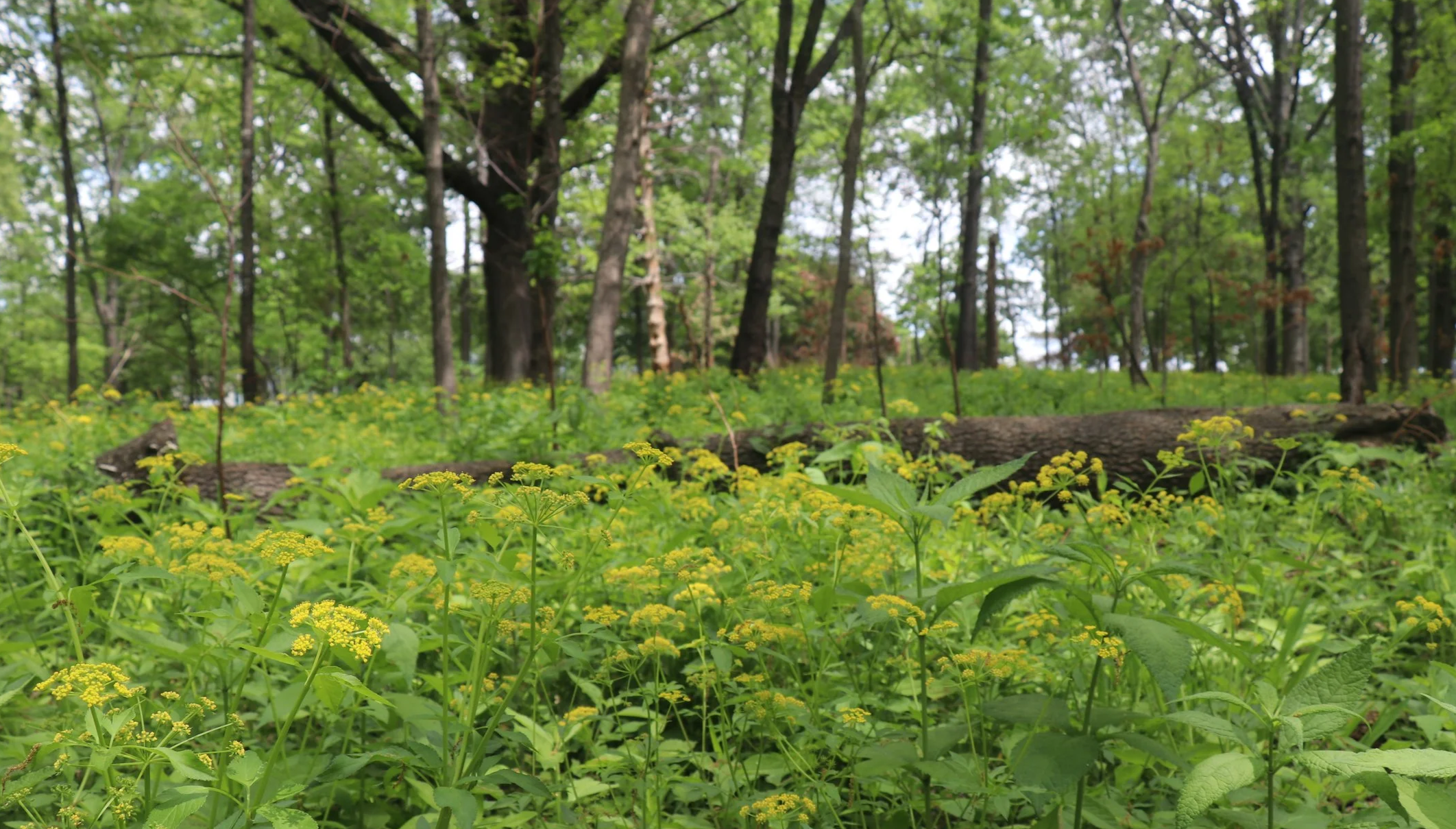
A downed tree in Successional Forest surrounded by golden Alexander (Zizia aurea)
Forest Park Forever’s Land Management team works with the City of St. Louis’ Department of Parks, Recreation, and Forestry to care for the landscaped areas and terrestrial natural communities within Forest Park’s sprawling 1,300 acres.
The Park’s “Nature Reserve” comprises 172 acres of the latter and includes forests, woodlands, savannas, prairies, wetlands and 3.35 nautical miles of waterways.
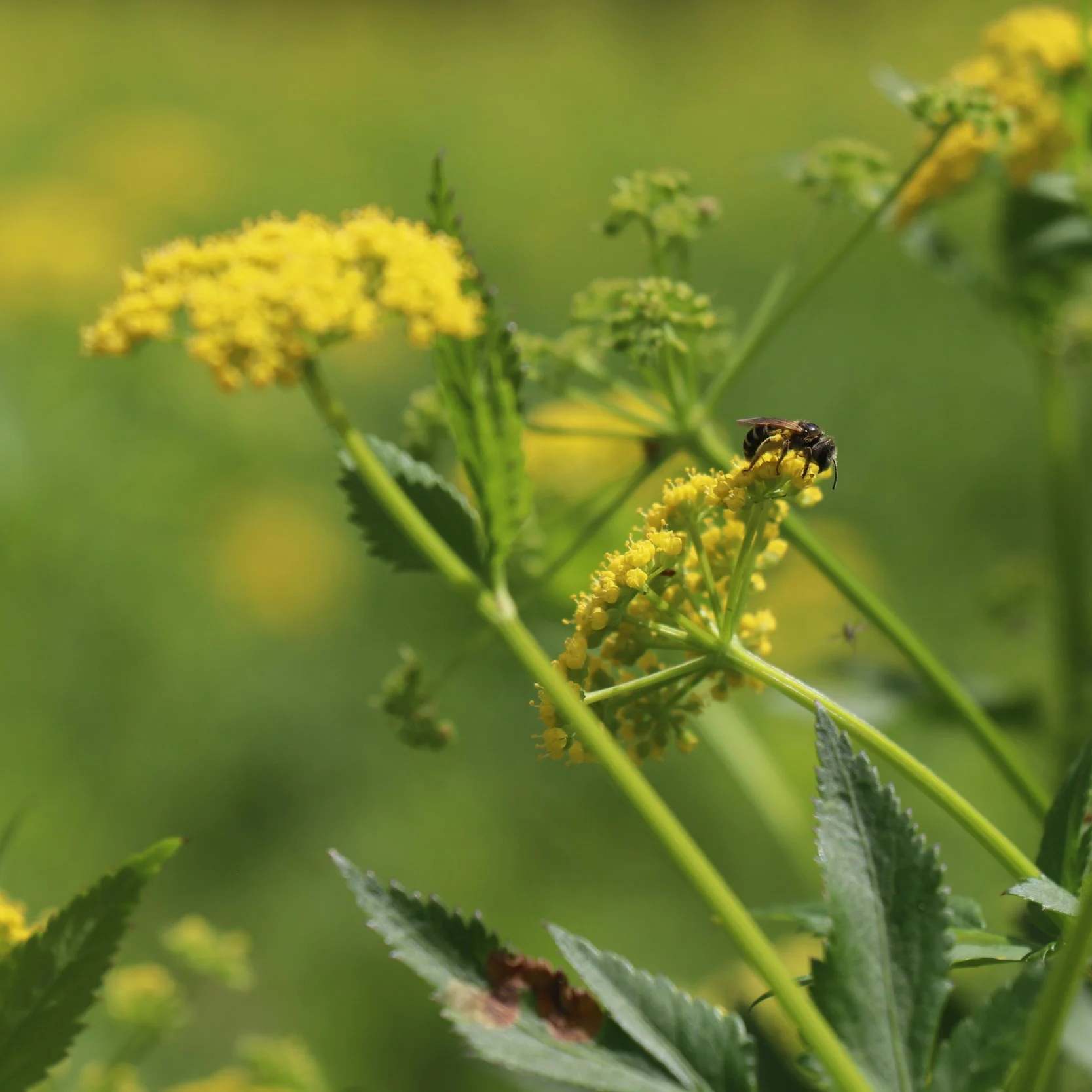
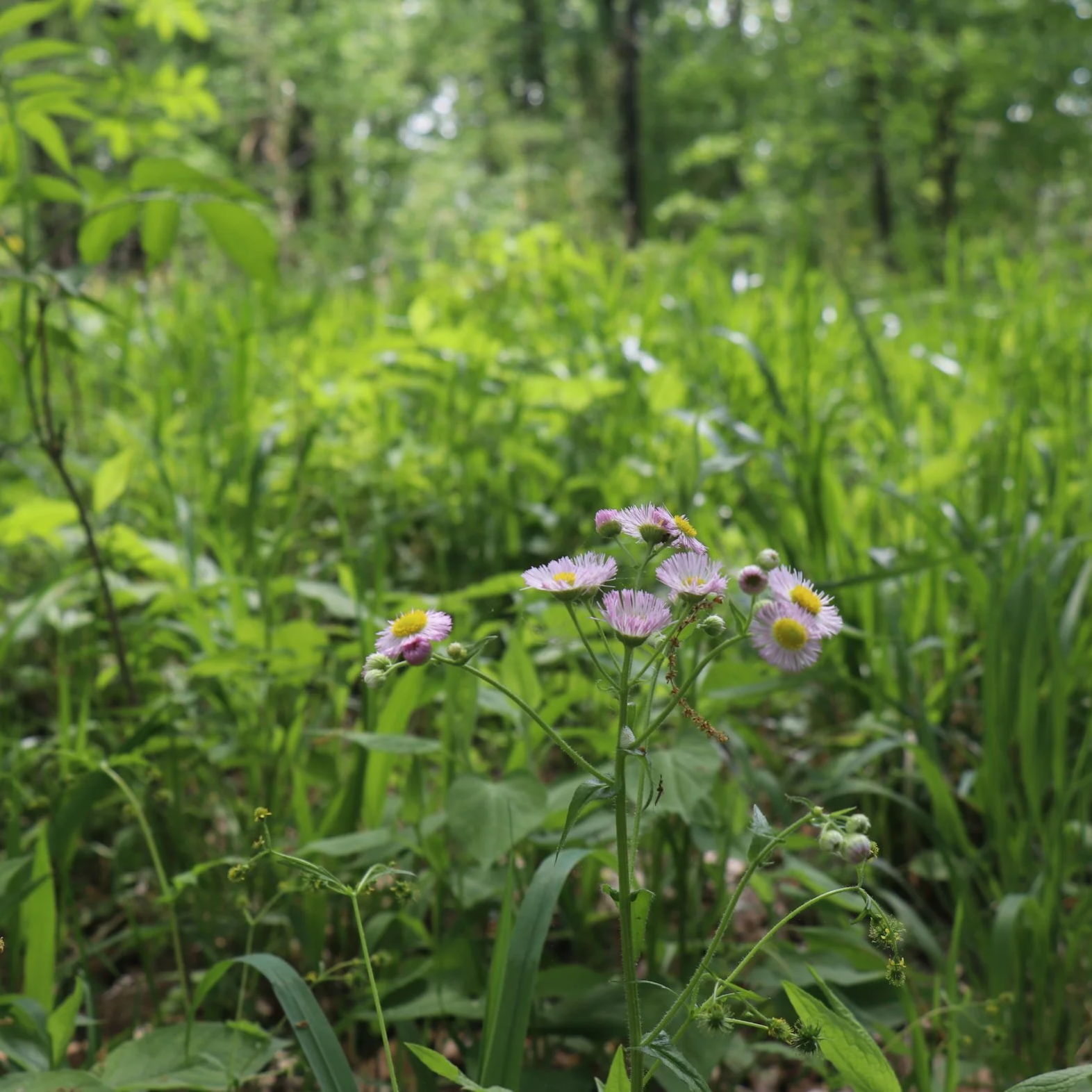
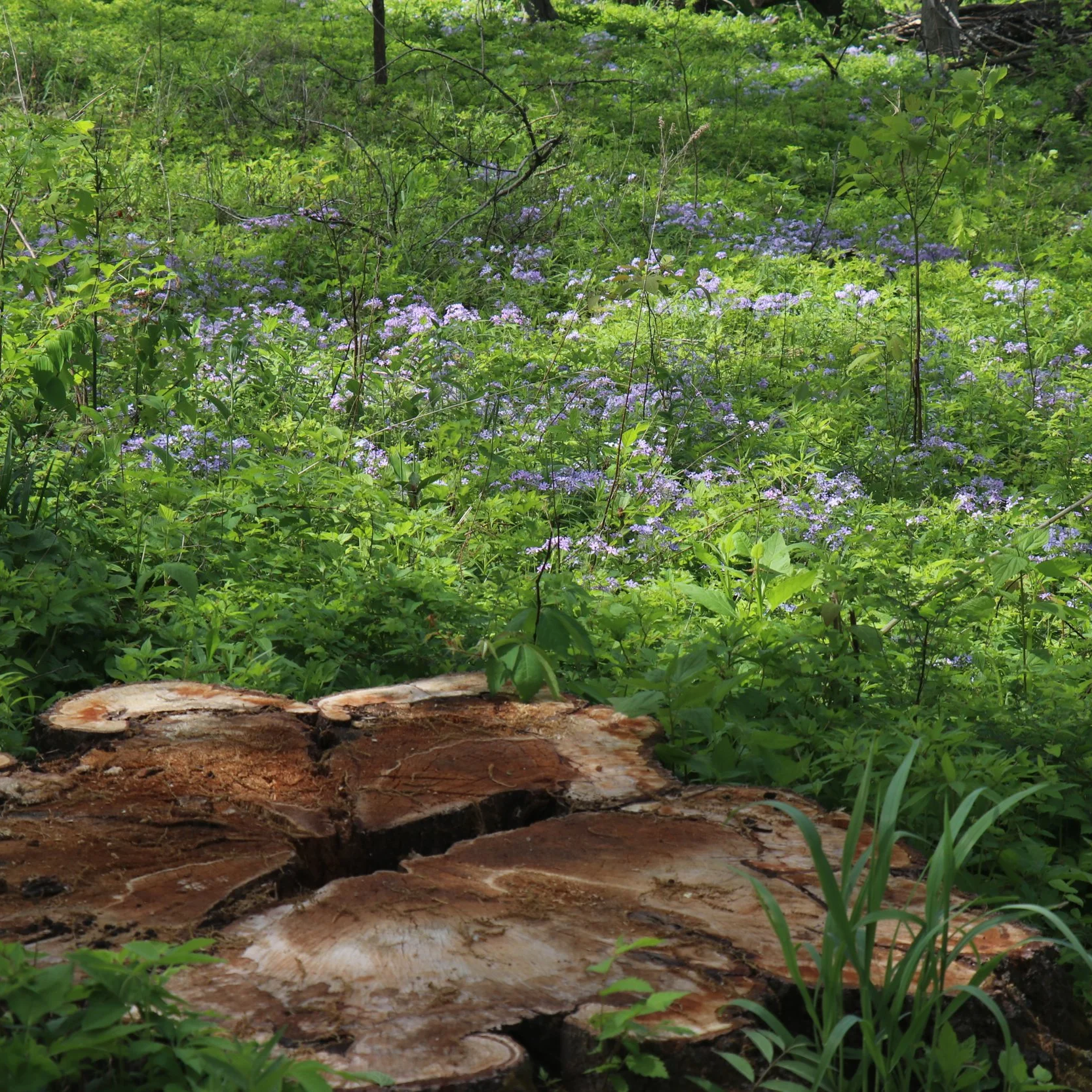
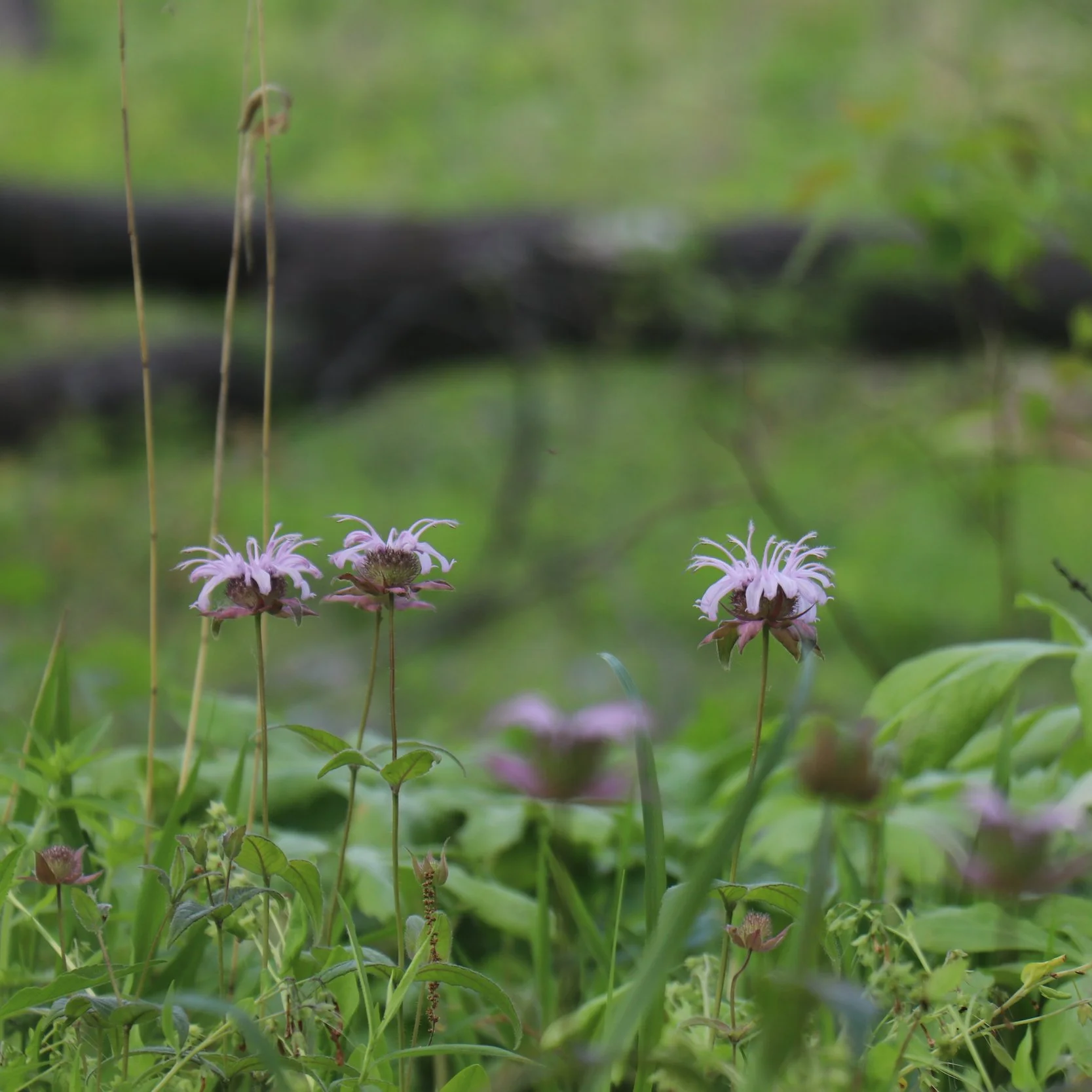
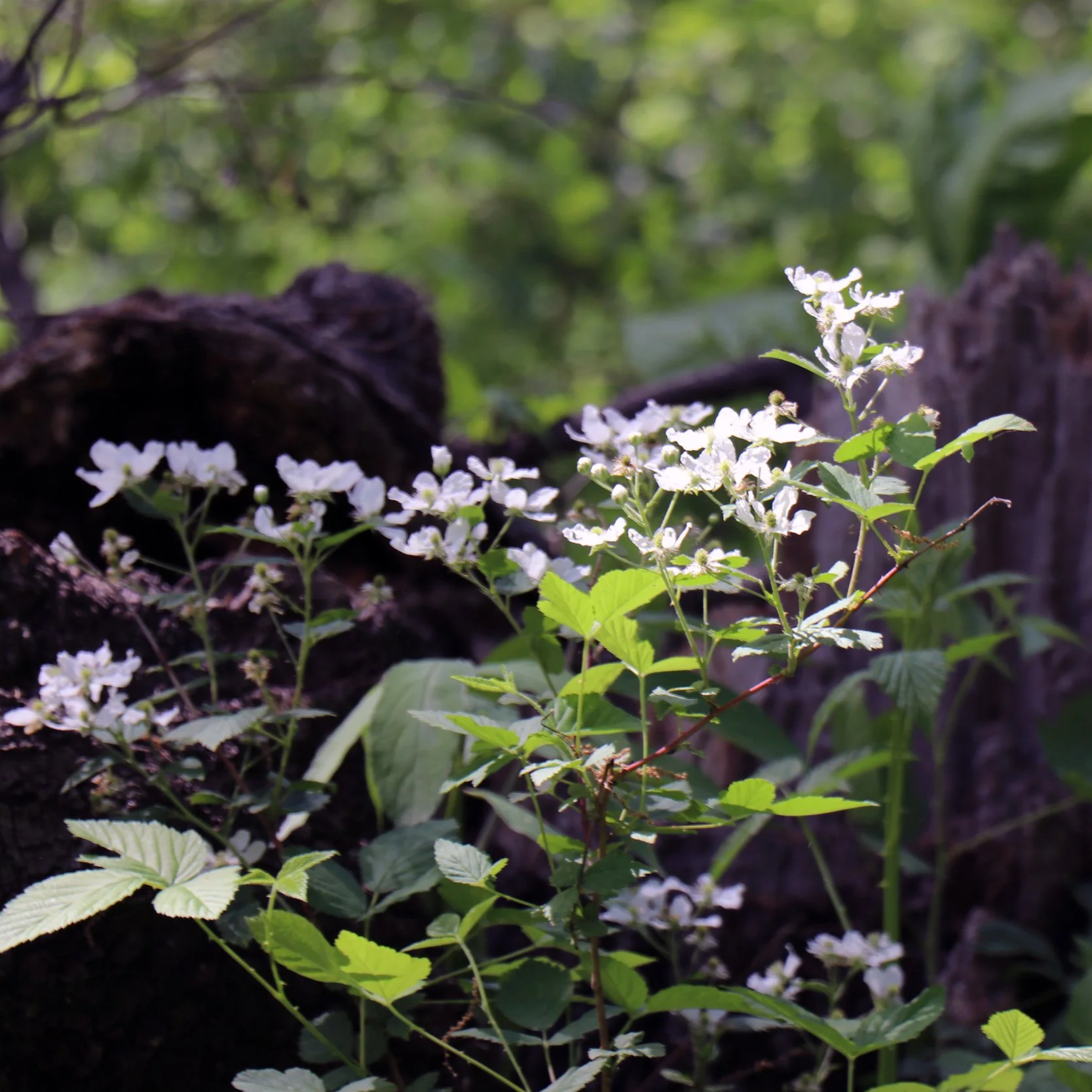
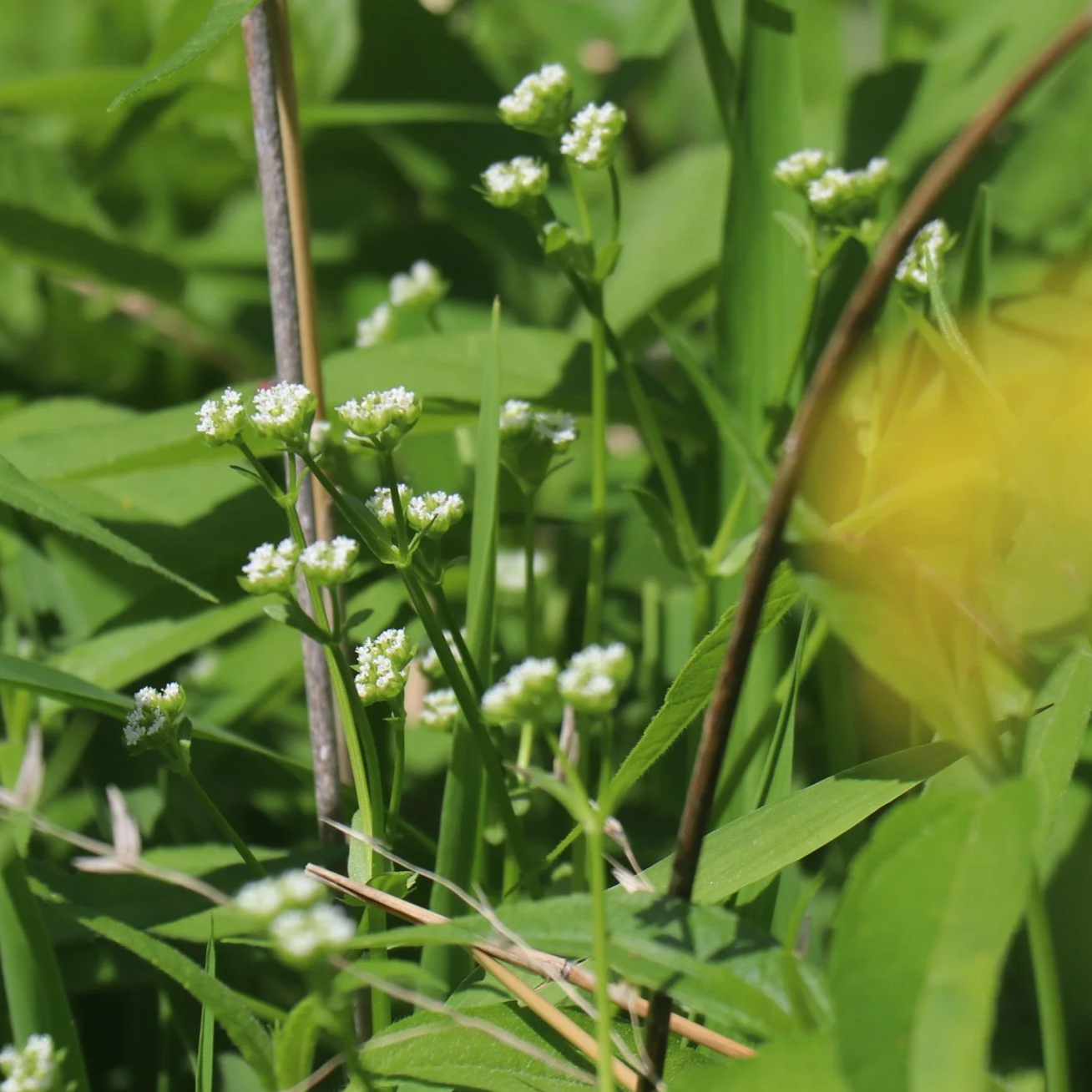
Where is Forest Park’s Nature Reserve?
While not one contiguous stretch of land, the Nature Reserve is interspersed throughout the Park. It includes well-known areas—such as the John F. Kennedy Memorial Forest and Savanna, Successional Forest and Klein Prairie—and lesser-known spots like the Deer Lake Savanna wetland complex, the Fish Hatcheries Prairie, the woodlands north of the Glade, Hidden Creek Savanna and Round Lake Vista (southwest of Round Lake and the Taylor Kindle River).
These areas provide varied habitats for thousands of species that make homes in Forest Park and create a critical corridor for birds and insects that migrate through the region. The Nature Reserve also provides beneficial ecosystem services, including rainwater retention and filtration, carbon sequestration, plant pollination and proliferation and erosion control.
Flora and fauna are not the only ones to benefit. Effective land management and conservation results in naturally beautiful, more stable ecosystems that provide recreational and educational opportunities, including birding, identifying plant and animal species and spending restorative time in nature.
Strategic Tornado Response
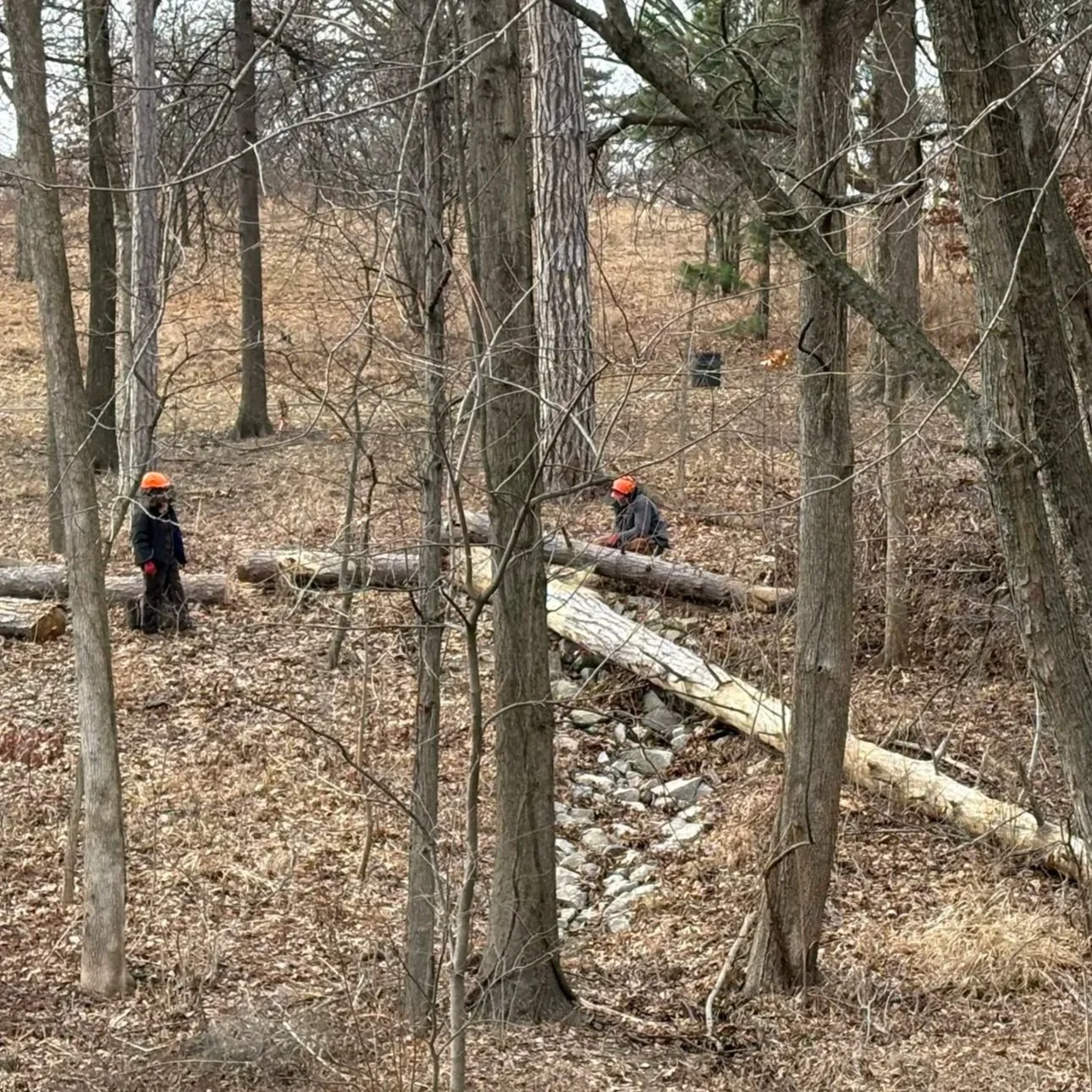
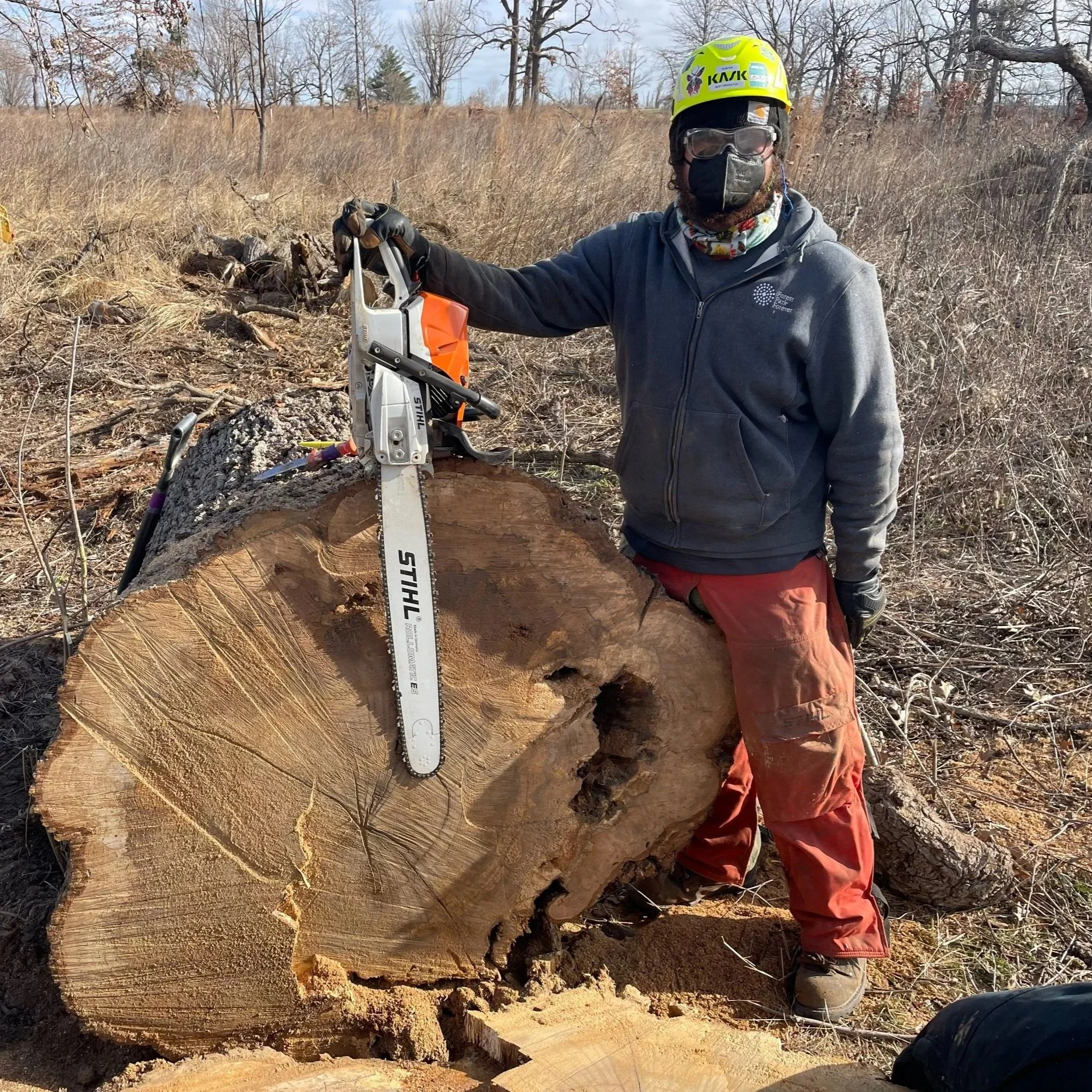
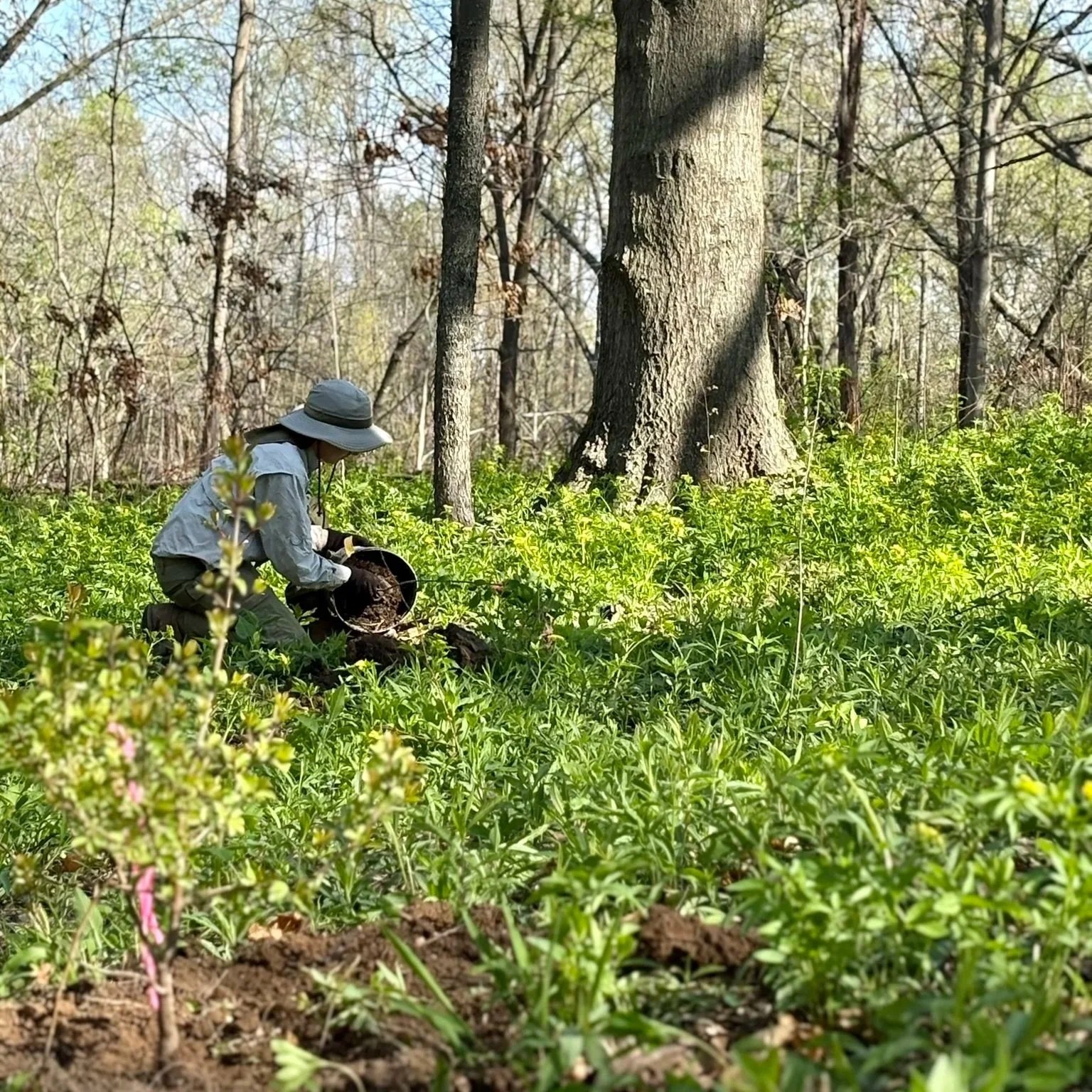
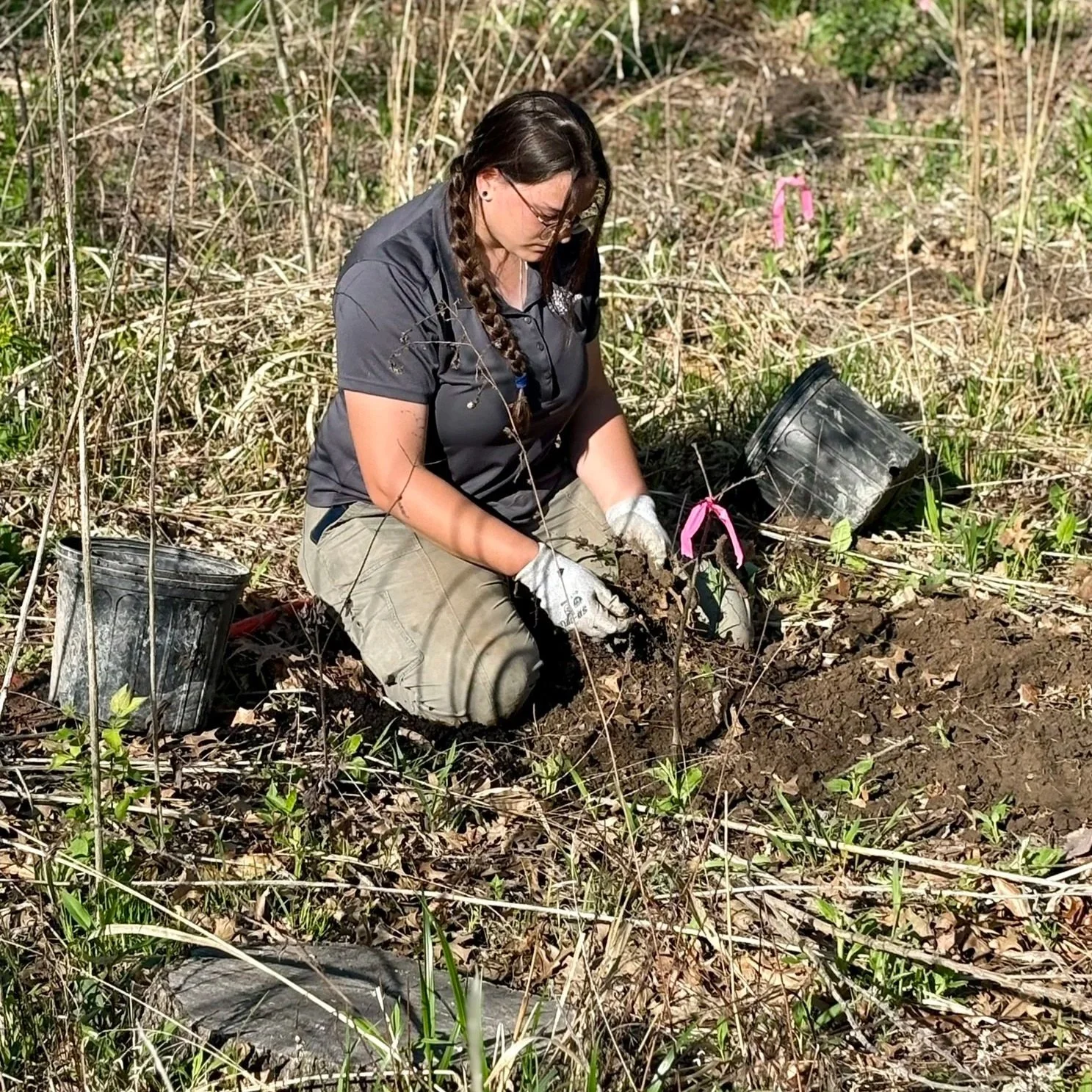
May is typically when active vegetation growth shifts from spring plants (e.g., ephemerals, bulbs) to warm-weather plants (e.g., grasses, sedges, native flowering plants). The May 16, 2025, tornado struck during this transition, complicating both conservation and recovery efforts.
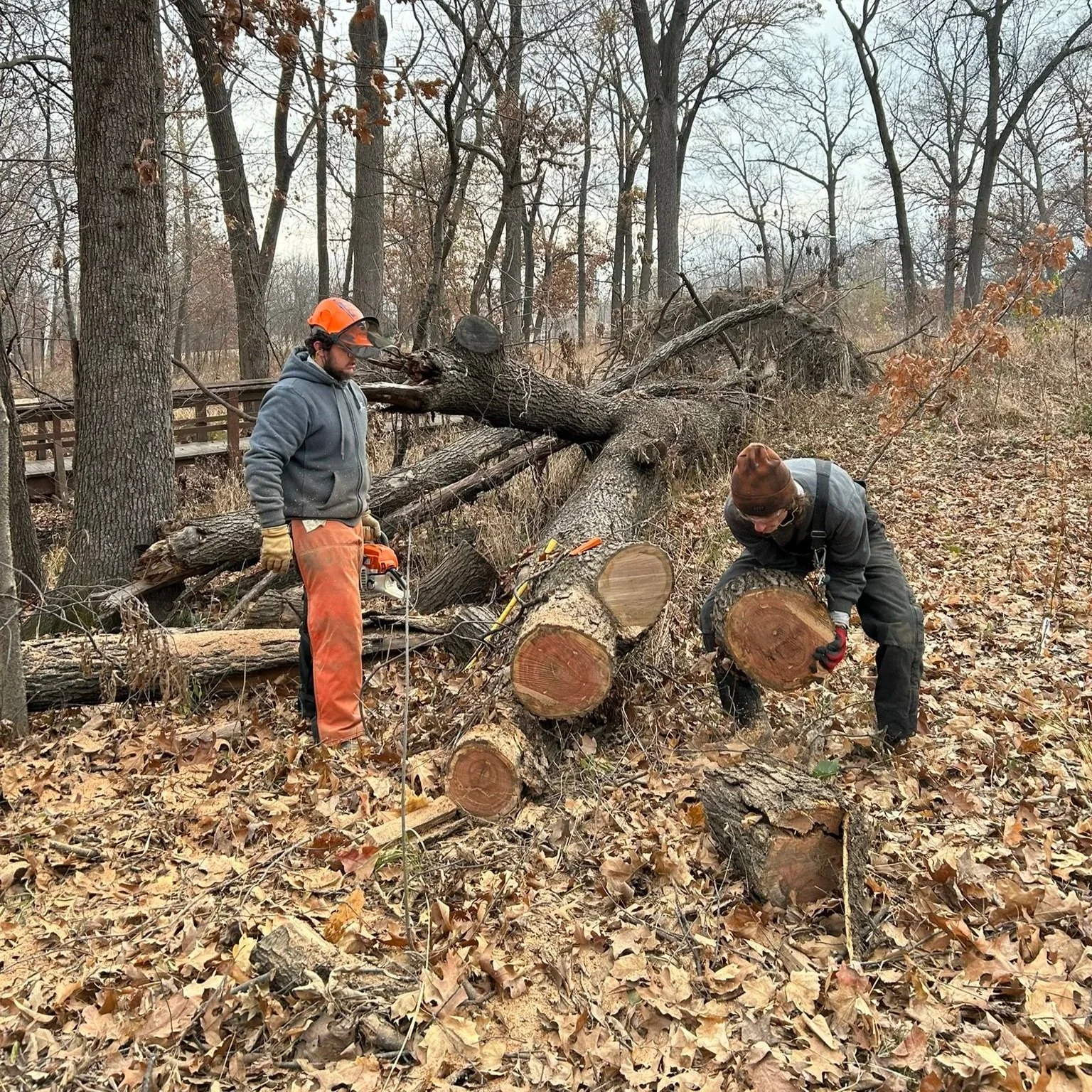
Our Nature Reserve team delayed much of the tornado clean-up work until late fall and early winter of last year to avoid trampling late spring and summer growth. That meant the team had only 16 weeks to work while plants were dormant, birds weren’t breeding and other wildlife were hibernating or at least less active.
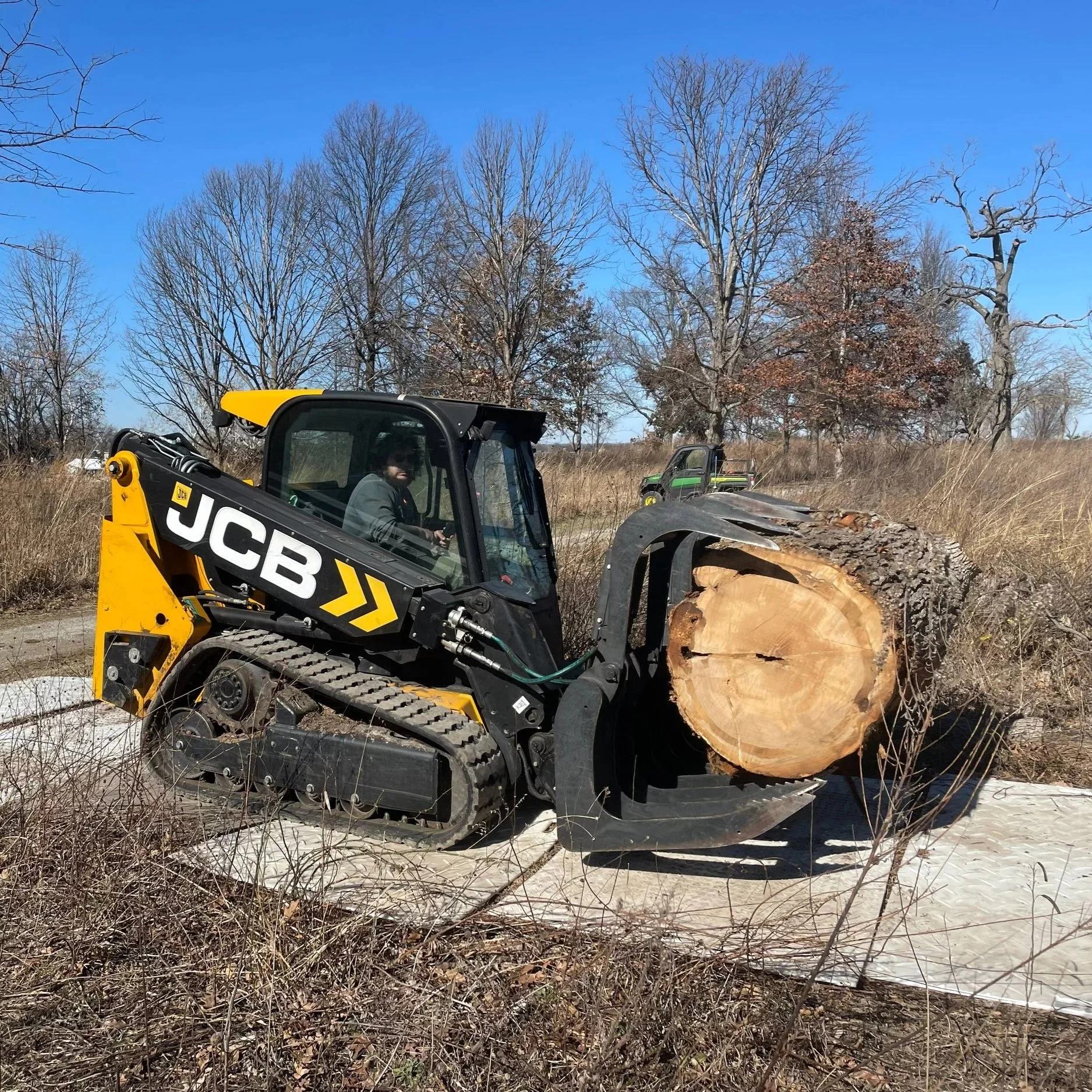
The Nature Reserve team hauled an astounding 2.1 million pounds of tree material from the areas they manage. But it’s how they removed those 1,050 tons of tornado debris that’s truly impressive.
To reduce damage to healthy plants and prevent soil compaction—which restricts root growth and inhibits water and nutrient infiltration, a deadly combination for these natural communities and a recipe for erosion—they used ground protection mats: large, heavy-duty, reusable panels that distribute the weight of people and machines to reduce compaction.
They also used a portable capstan winch and line to drag trees and large limbs out of wooded areas and manually pulled out tons of material with heavy-duty chains rather than using machinery like timber harvesters and forwarders. Damage from these heavy machines would have been catastrophic to decades-long restorations and potentially take centuries to recover from naturally.
Now we’re seeing the benefits of that arduous, time-consuming work. Early spring ephemerals were a sign that our efforts to protect the soil and vegetation worked, and native flowering species are now making the most of the increased sunlight shining through the tornado-thinned canopy. These always-magical signs of spring are even more meaningful this year, and we have Forest Park Forever’s Nature Reserve managers and stewards to thank for preserving them.
Restoring the Tree Canopy
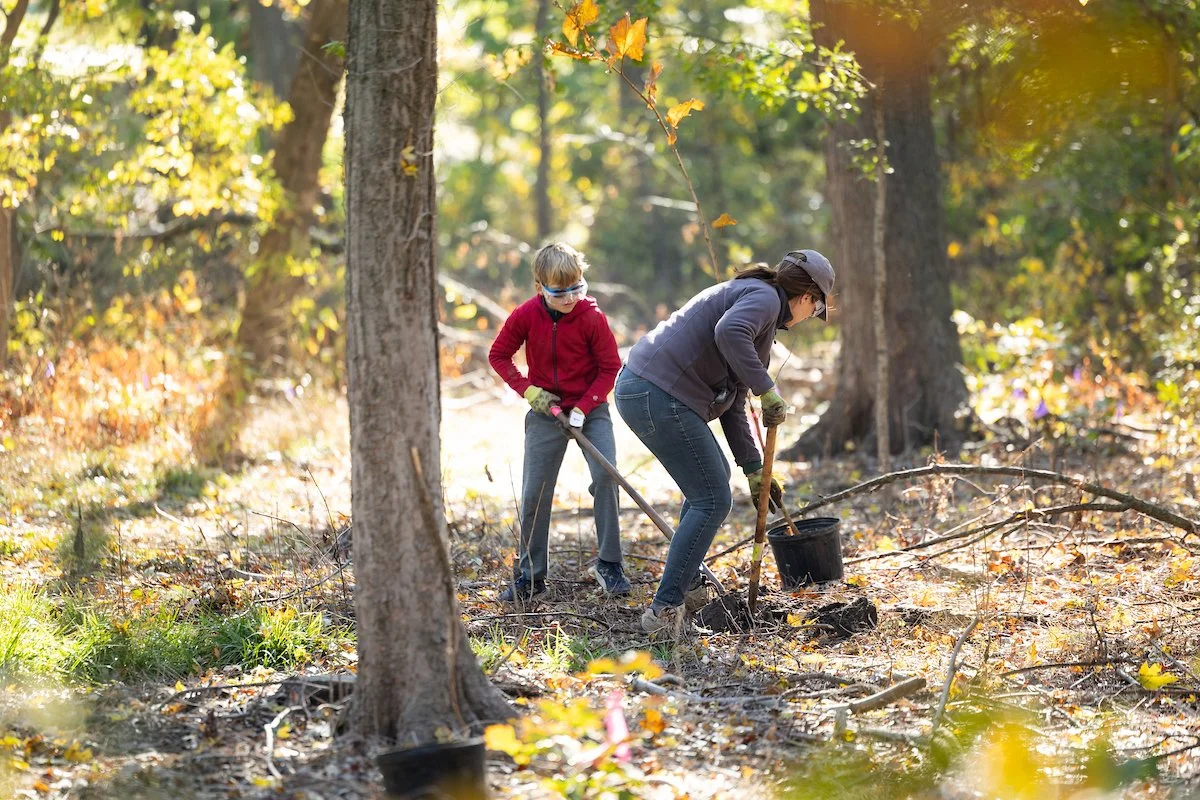
Volunteers helped plant 784 native trees in Successional Forest on November 2, 2025, during Forest Park Forever’s 26th Annual Forest Restoration Day.
In late 2025, we began what will be the largest, longest-term and costliest part of Forest Park’s recovery from the May 2025 tornado: replanting its namesake trees. The storm affected at least 1,053 trees in Nature Reserve areas. After cutting hazardous limbs and pruning, our team determined that almost half of these damaged trees would have to be removed. Of the remaining half, only 33% are likely to remain standing and healthy, and 17% will stay in place to provide habitat for wildlife.
As time goes on, we’re likely to discover even more trees throughout the Park that sustained micro-fissures: hidden, internal injuries, such as tiny cracks and bark separation that weaken trees’ structural integrity and can result in sudden breakages months or even years later.
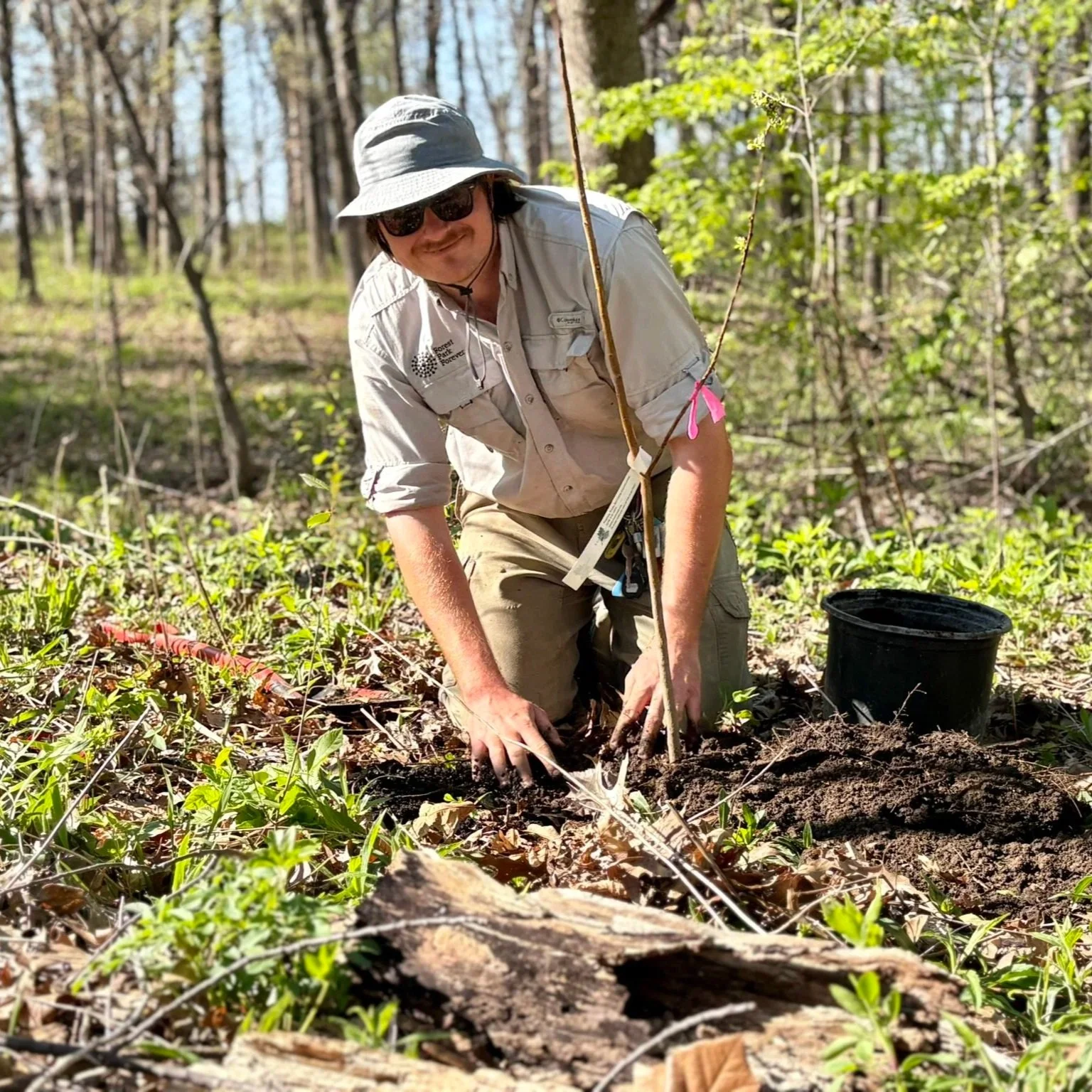
It will take years and significant investment to fully recover from the storm and decades to regrow the tree canopy. Partnering with the City of St. Louis, our goal is to plant at least 6,000 trees throughout Forest Park over the next five years. We planted 883 trees of 41 native species in Forest Park during our 26th annual Forest Restoration Day. Of those, 784 were in Successional Forest. Our team planted more than 1,300 trees throughout the Nature Reserve this past winter with many more to come.
Land Management Practices Used in Forest Park
Forest Park Forever and the City of St. Louis Department of Parks, Recreation, and Forestry aim to increase biodiversity, ecological health and function, aesthetic beauty and recreational and educational opportunities in the Nature Reserve and throughout the Park using natural management methods, including prescribed burns and forest stand improvement. When these practices aren’t practical, we will consider mowing and applying herbicides.
You Can Support Our Work, Including Long-Term Tornado Recovery
As the nonprofit conservancy that maintains Forest Park in partnership with the City of St. Louis, Forest Park Forever employs experts in arboriculture, ecology, land management, conservation, park operations, community engagement, education and visitor services. We’re now using our expertise to integrate long-term tornado recovery into our annual plans and the master plan for Forest Park.
There’s still so much work to be done and many ways you can help!
Become a member of Forest Park Forever to provide ongoing support.
Get Park news in your inbox by signing up for our biweekly e-newsletter.
Keep up with our tornado recovery efforts.
Explore other ways to support our work.
Apply to become a volunteer.
Follow us on Facebook, Instagram, X, YouTube and LinkedIn and share your love for Forest Park and #ForestParkForever on social media!