
Five Years of Learning in the Nature Playscape
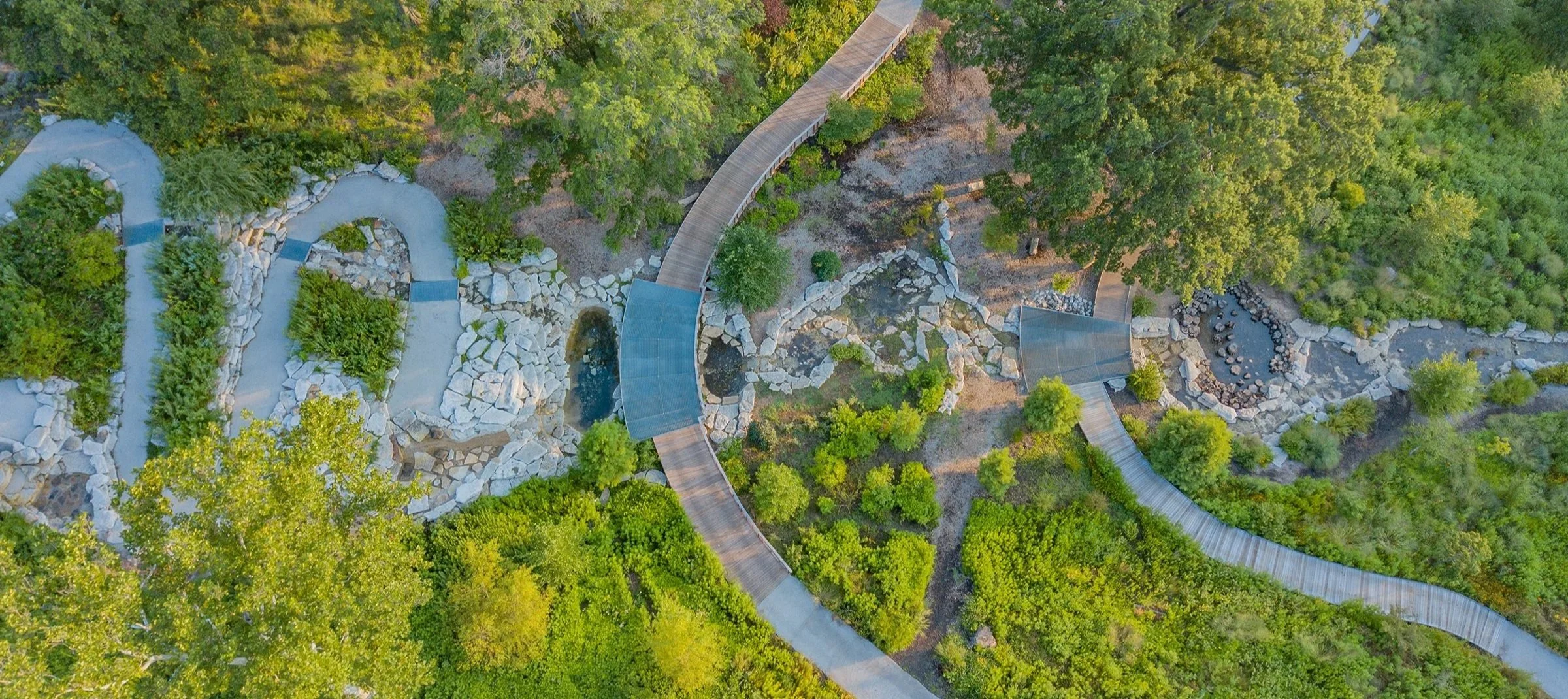
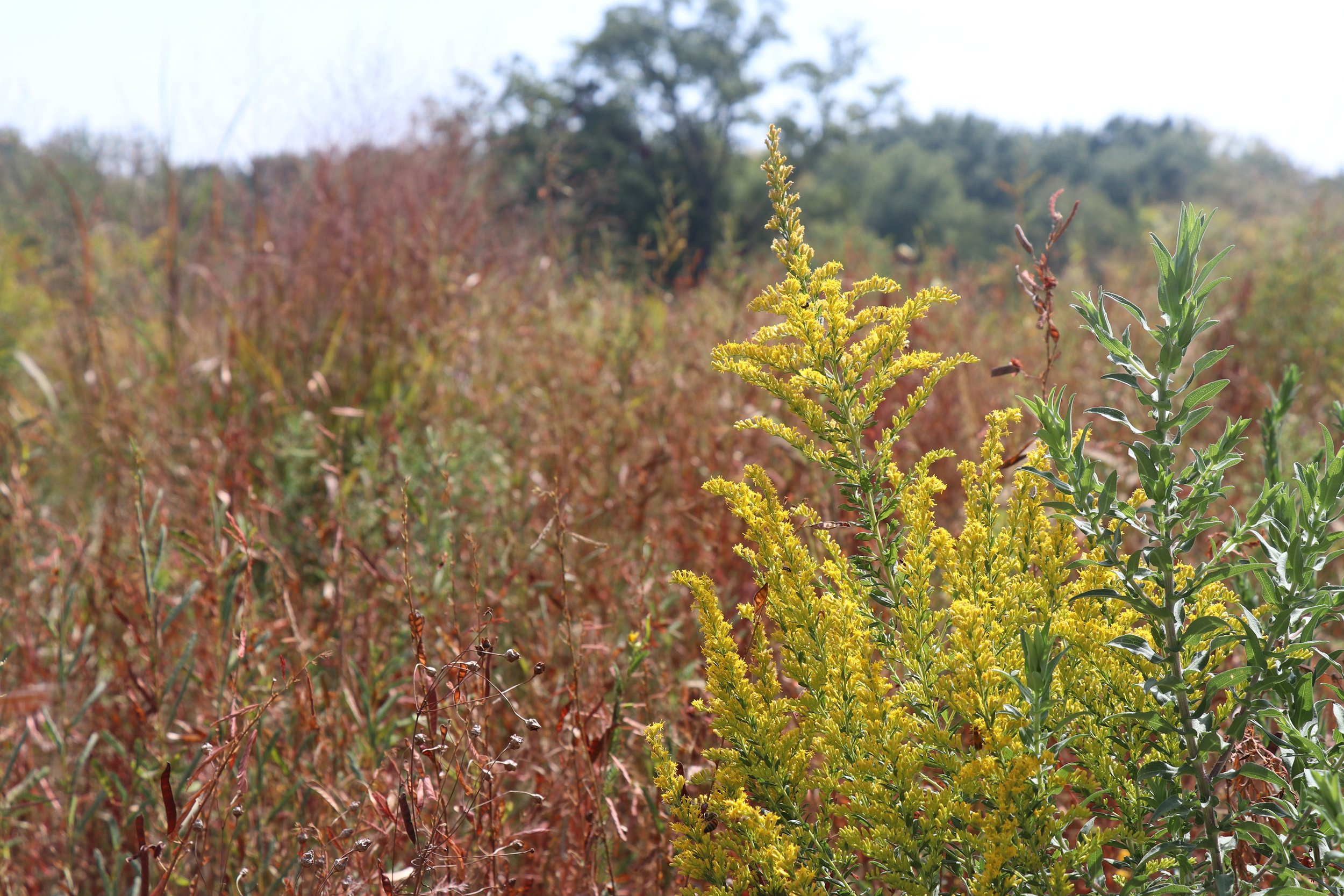
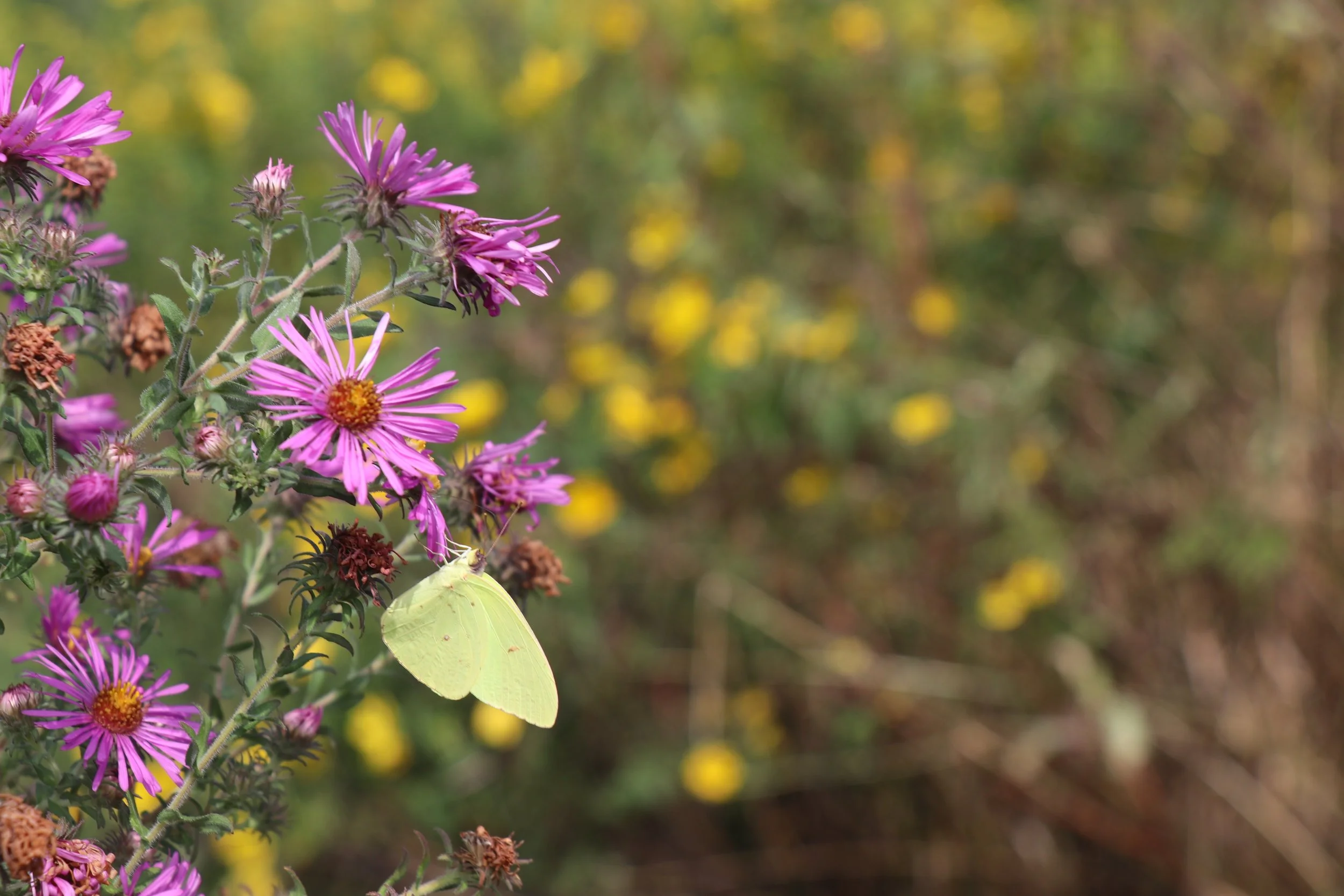
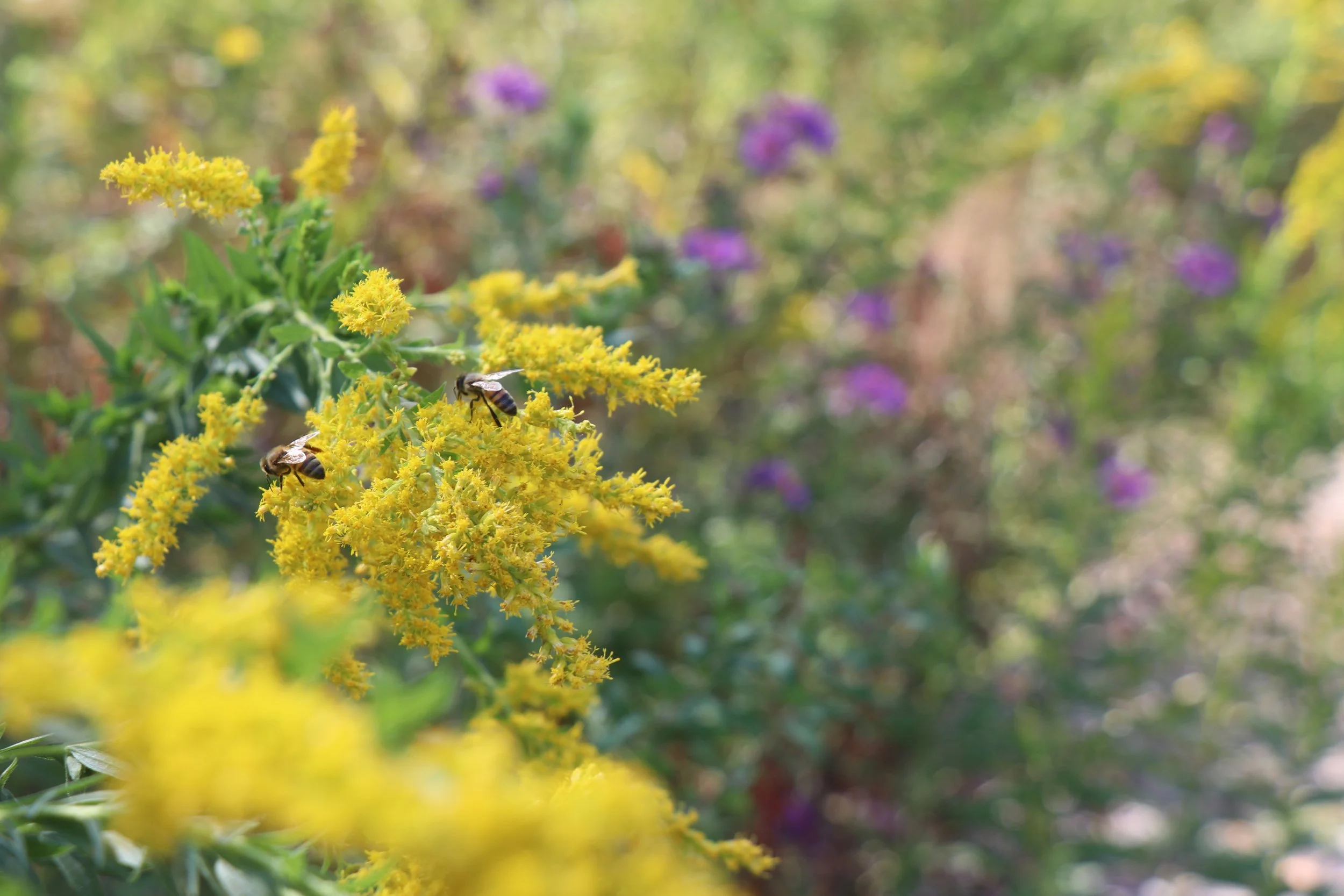
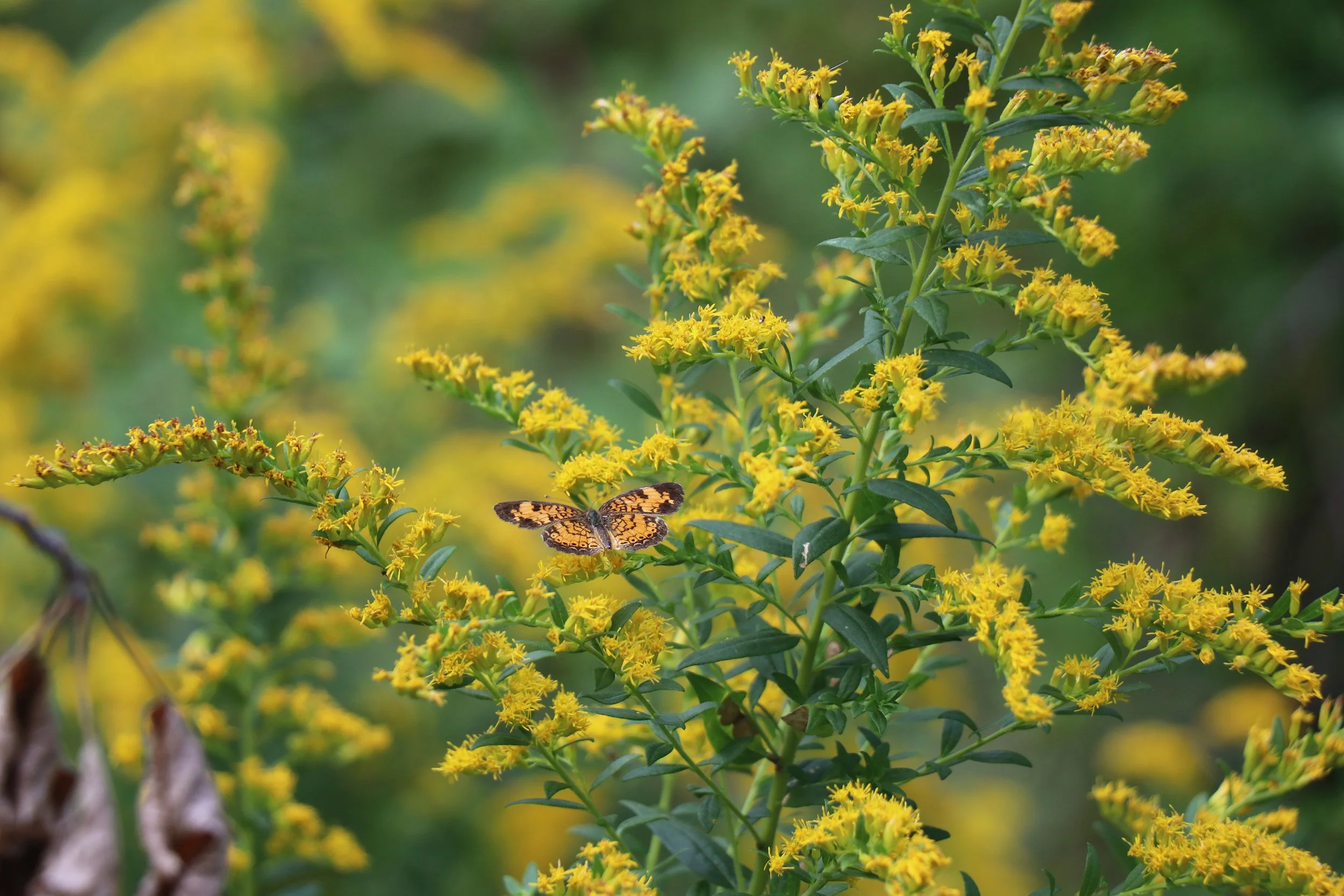
On June 2, 2021, the Anne O’C. Albrecht Nature Playscape opened to the delight of Forest Park explorers and nature enthusiasts of all ages. Five years later, tens of thousands of native perennials and hundreds of trees thrive, filling the area with vibrant color, providing habitat for dozens of native species and captivating visitors.
What started as a vision to encourage children to get outside and play has become that and so much more: a space for educators and students to explore, for wildlife and native plants to flourish and for all Park visitors to enjoy varied environments across all seasons.
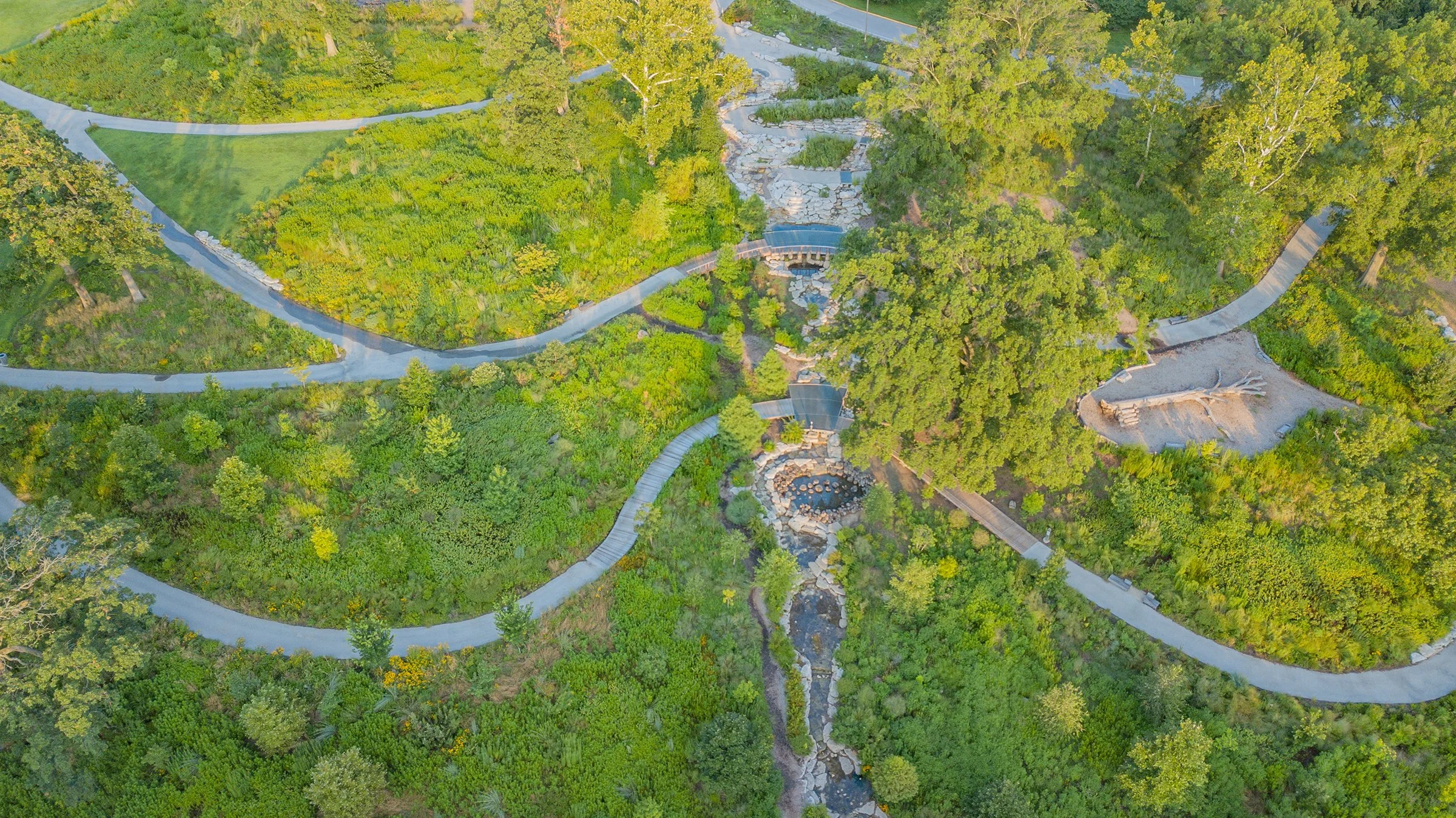
In the years of planning before the Nature Playscape opened, Forest Park Forever partnered with the City of St. Louis, a national team of design experts, local leaders and children to imagine how a 17-acre plot of mowed turf grass could be transformed into biologically diverse woodland, wetland and prairie ecosystems. Initial construction included planting 300 new trees, 40,000 perennials and 100,000 square feet of native landscapes and installing water pumps, benches, 1,500 tons of rock and more than 1,500 stump steppers to facilitate play.
Today, the immersive and innovative Nature Playscape is a beloved natural expanse in the heart of St. Louis. But like nature itself, it continues to evolve as we learn from people, plants and animals what works well—and what we can make even better.
Building for Visitors, Making Space for Nature
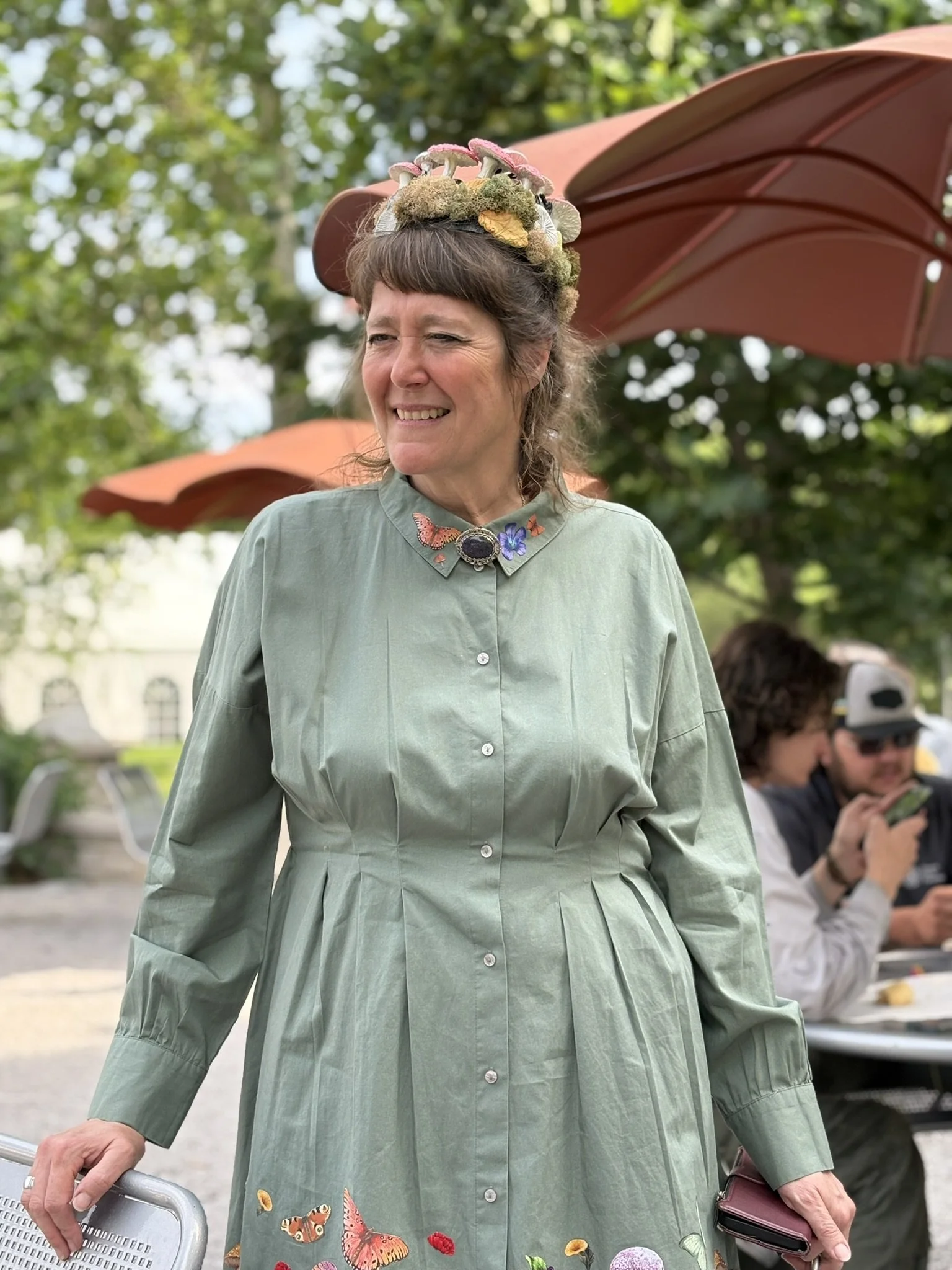
Forest Park Forever horticulturist Brenda Walter shared her extensive knowledge of the Park’s plants and features with guests at this year’s Hat Luncheon on June 4, 2026.
Nine distinct activity areas—Mounds, Sensory Garden, Meadow, Spring, Wetland, Gravel Bank, Bottomland Forest, Upland Prairie and Young Forest—mimic some of the natural communities in our region, but they are not “wild.” The area is actively maintained by Forest Park Forever’s land management and park operations experts to enhance learning opportunities and positive experiences in this urban microcosm of the natural world.
“We are in constant conversation with the space,” says Forest Park Forever horticulturist Brenda Walter. “We watch how it changes naturally and through visitors’ interactions with it. The ways people enjoy and use the Nature Playscape define how we maintain and improve it.”
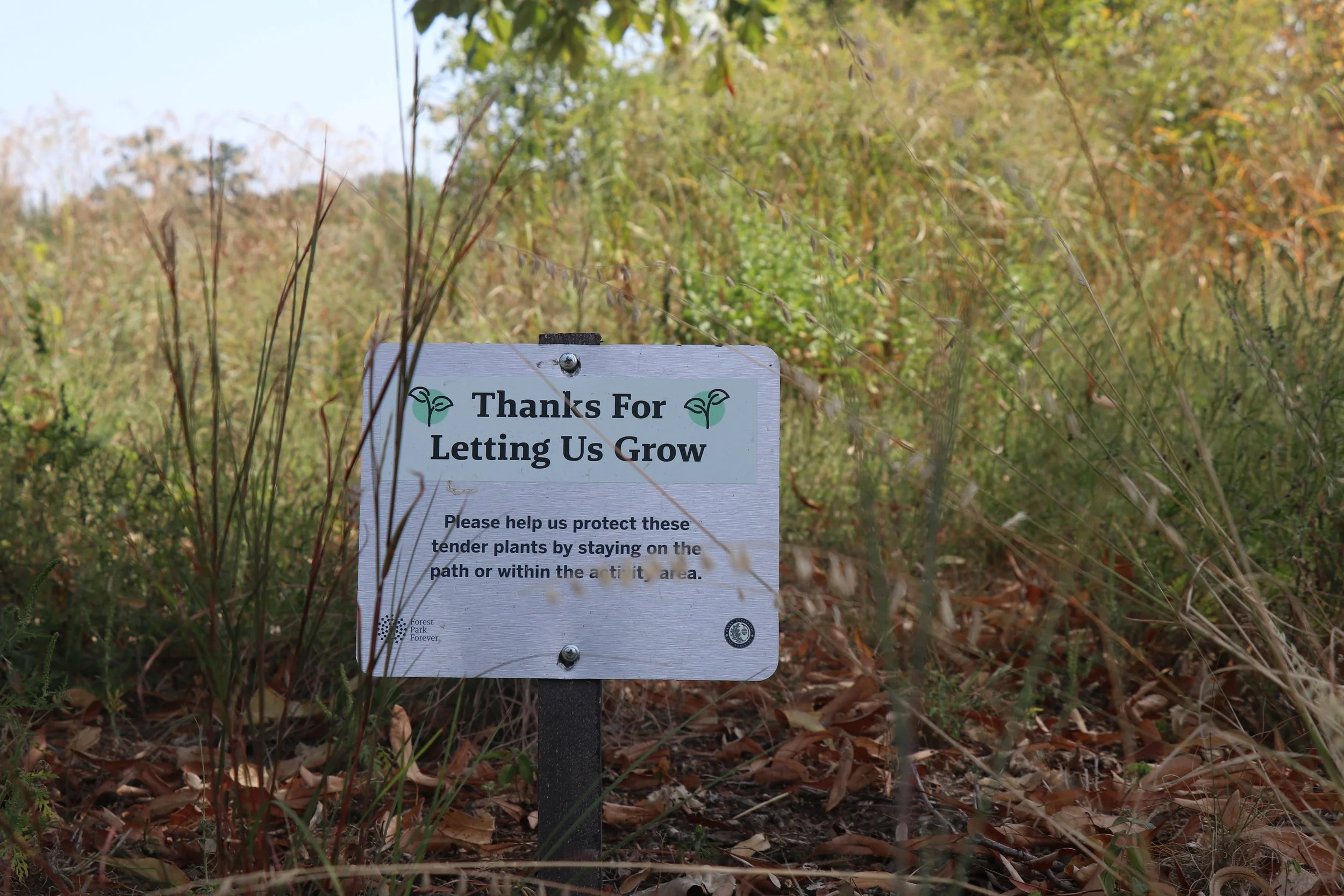
Forest Park Forever’s land management staff members pay close attention to the plants and how and why they move. Maintaining the Nature Playscape is part gardening and part conservation, but it’s not meant to look manicured. For example, plants spreading out onto paths is intentional. The overflow encourages visitors to notice the natural elements all around them and engage with the plants and flowers they see.
“We’re inviting people to touch and connect with nature,” Walter says. The Sensory Garden area in particular invites feeling the velvety flowerheads of Prairie Pussytoes (Antennaria neglecta), smelling the inviting fragrance of Agastache (commonly known as giant hyssop or hummingbird mint) and even tasting elderberries, blackberries and blueberries!
Learning from People and the Playscape
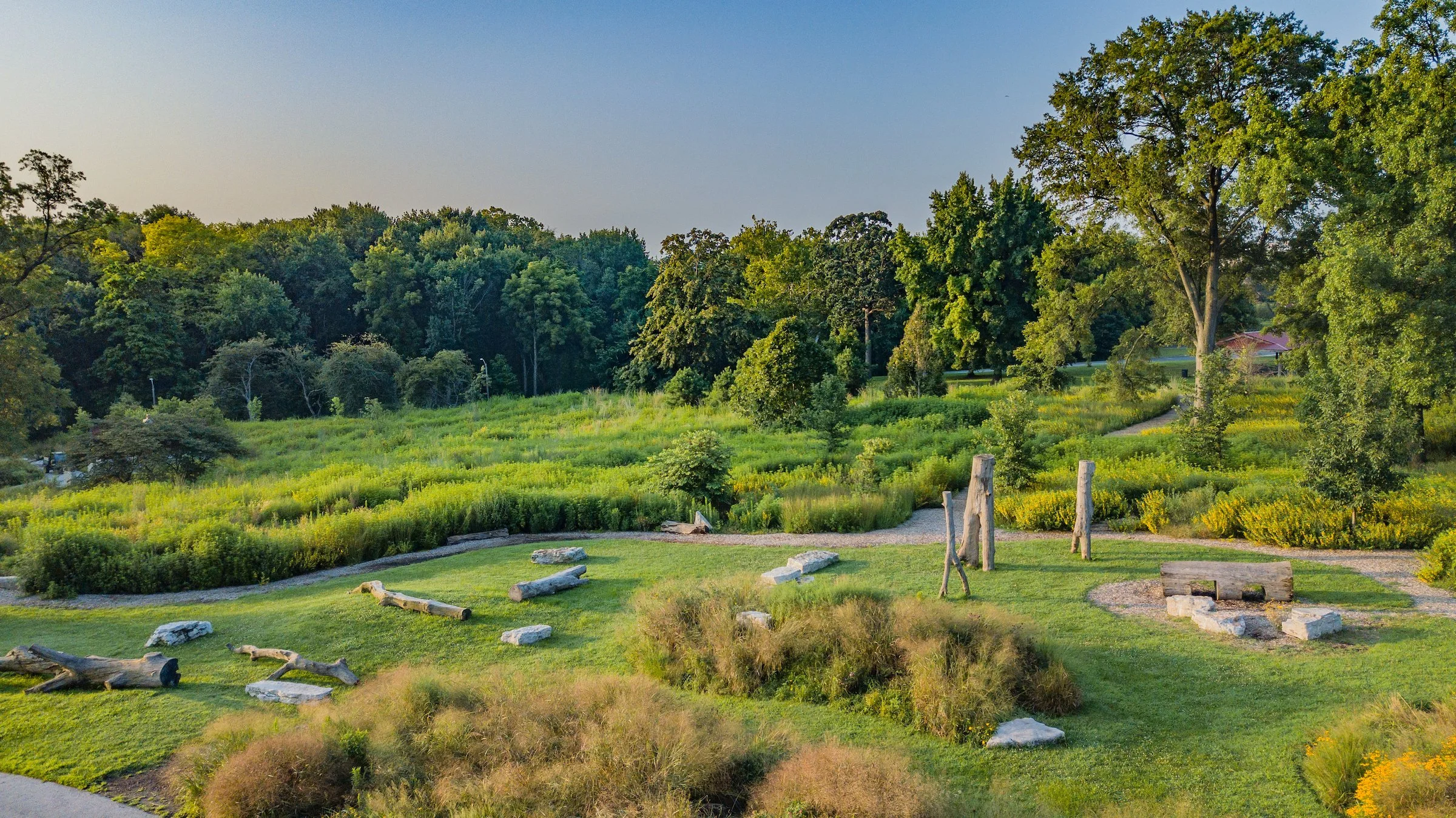
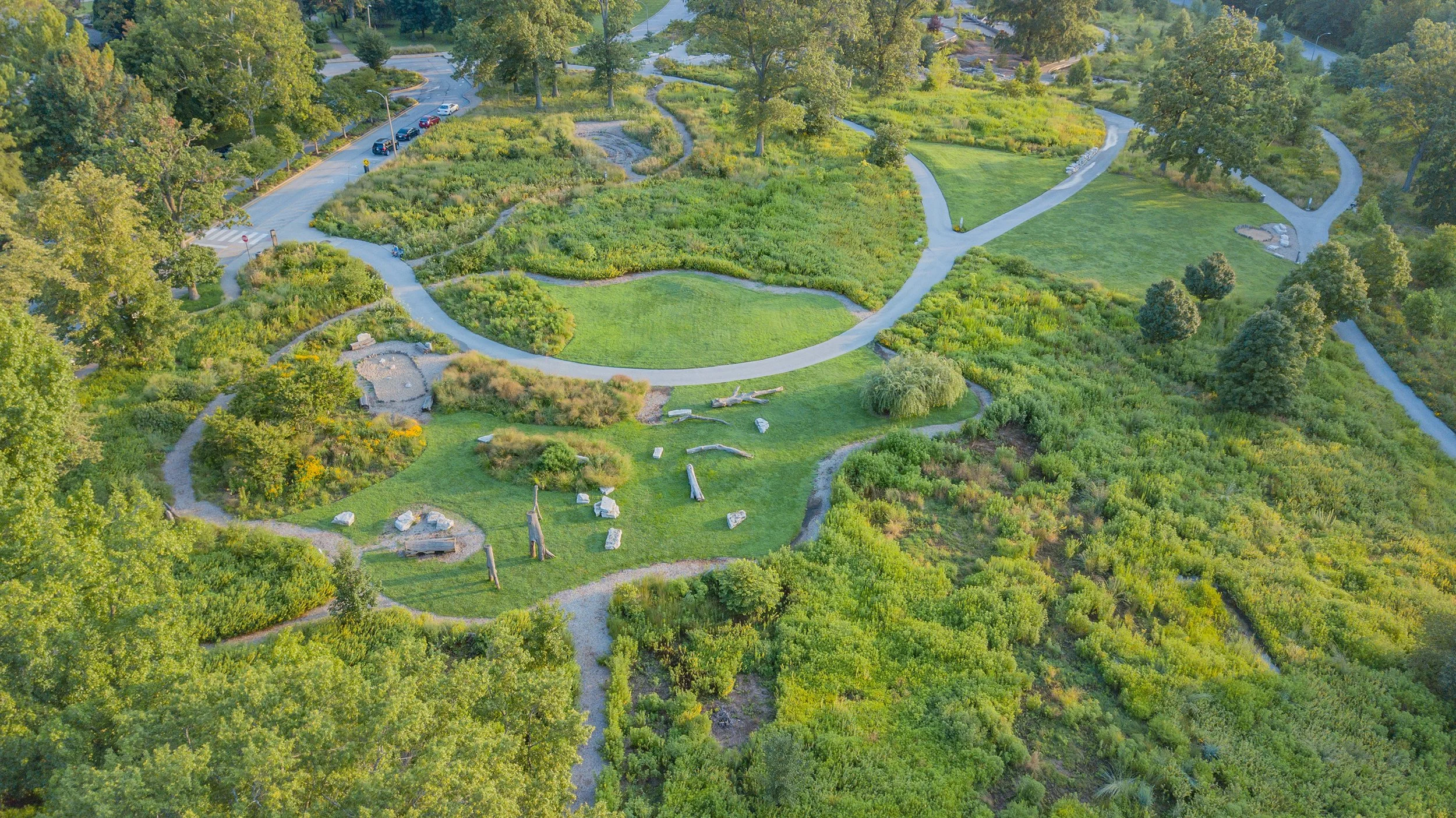
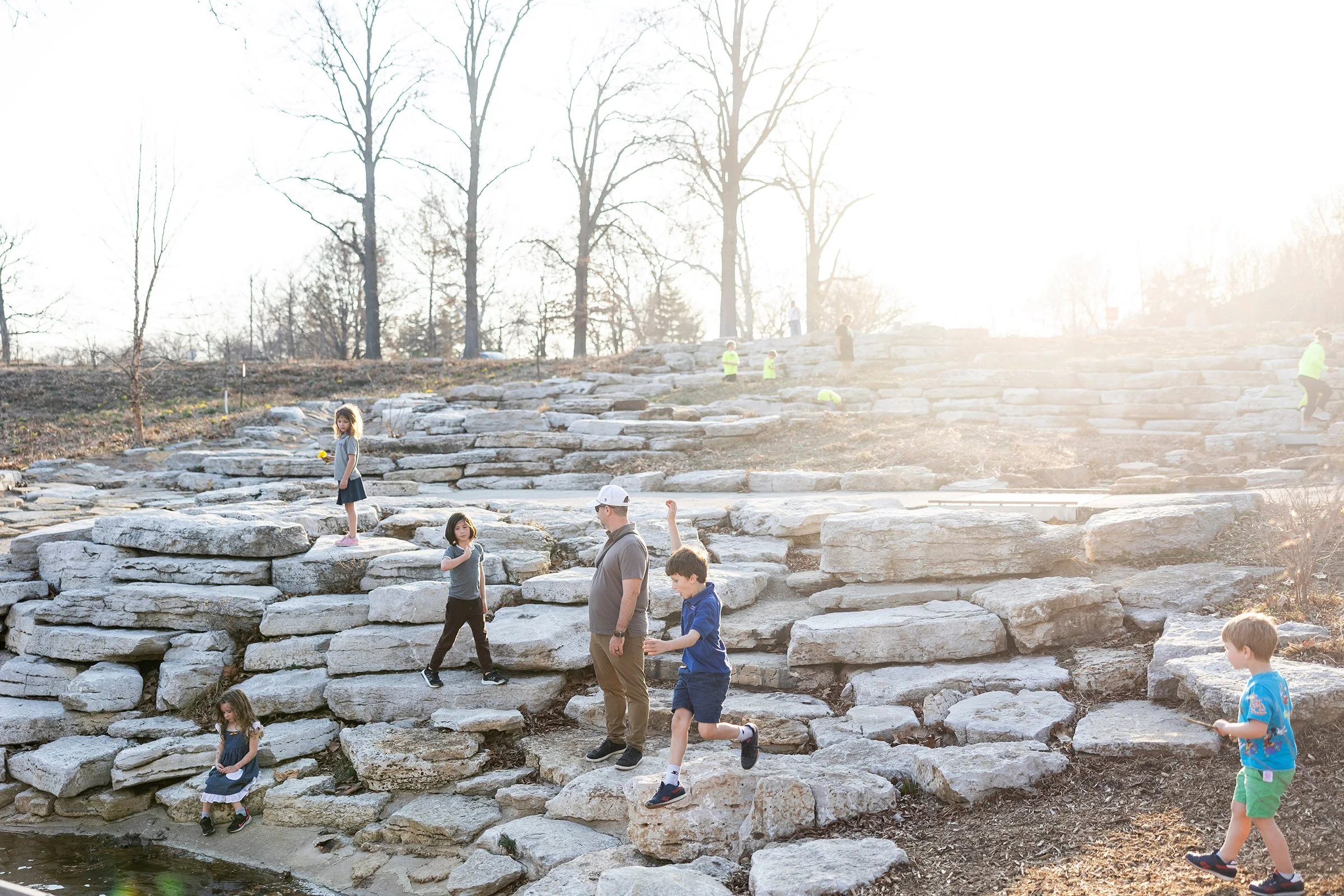
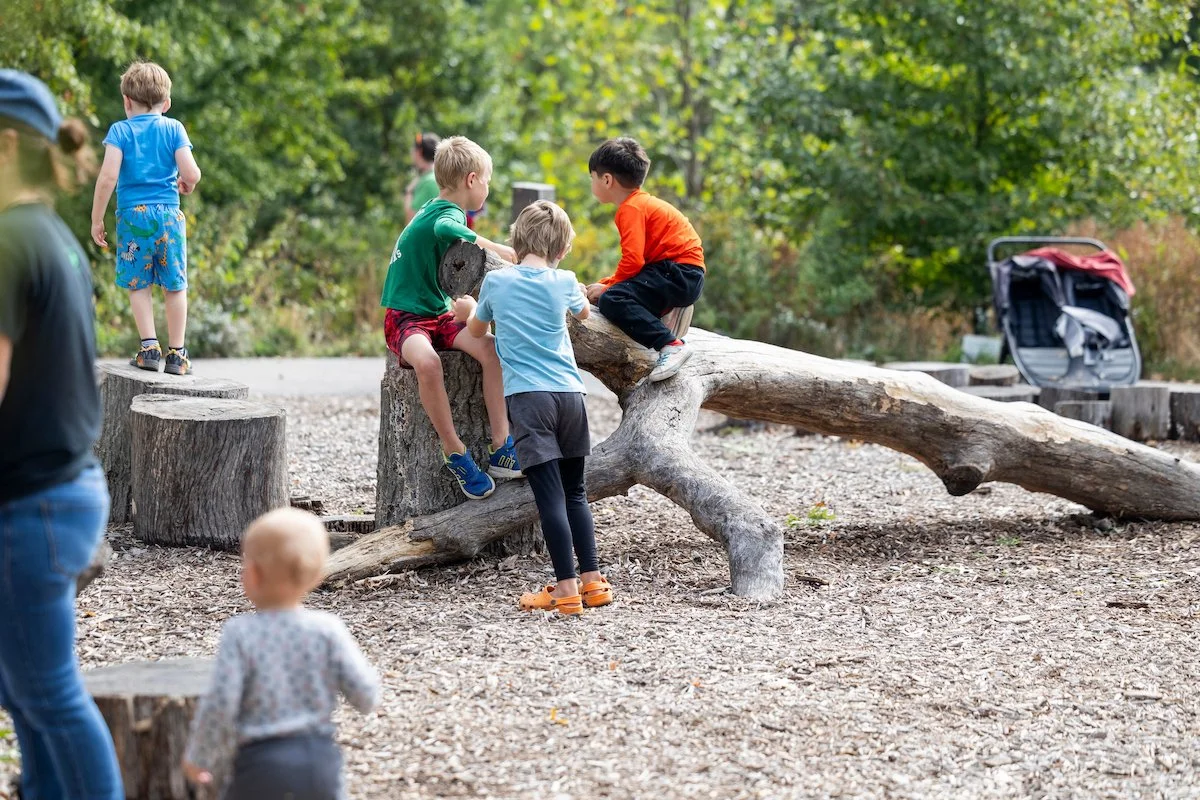
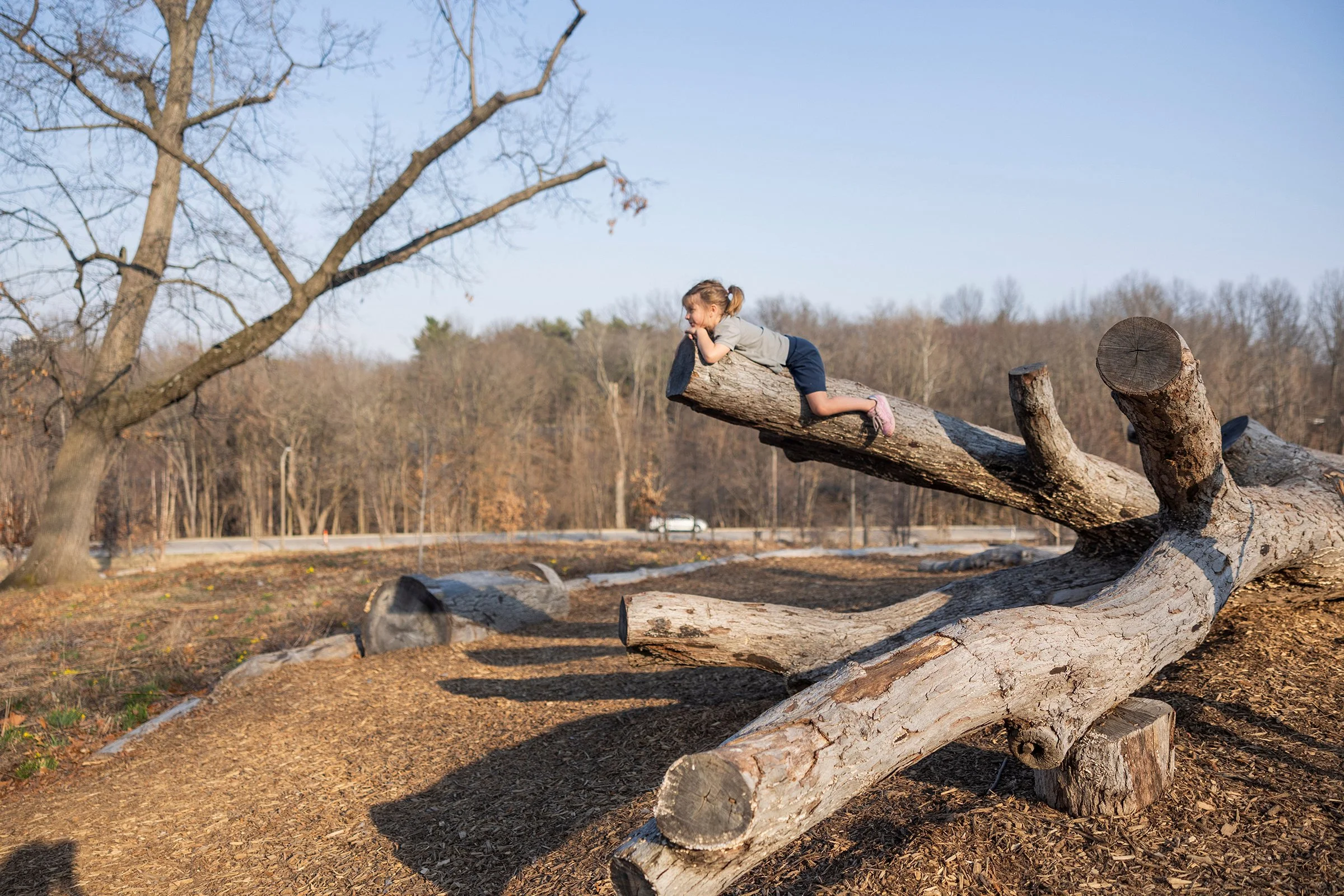
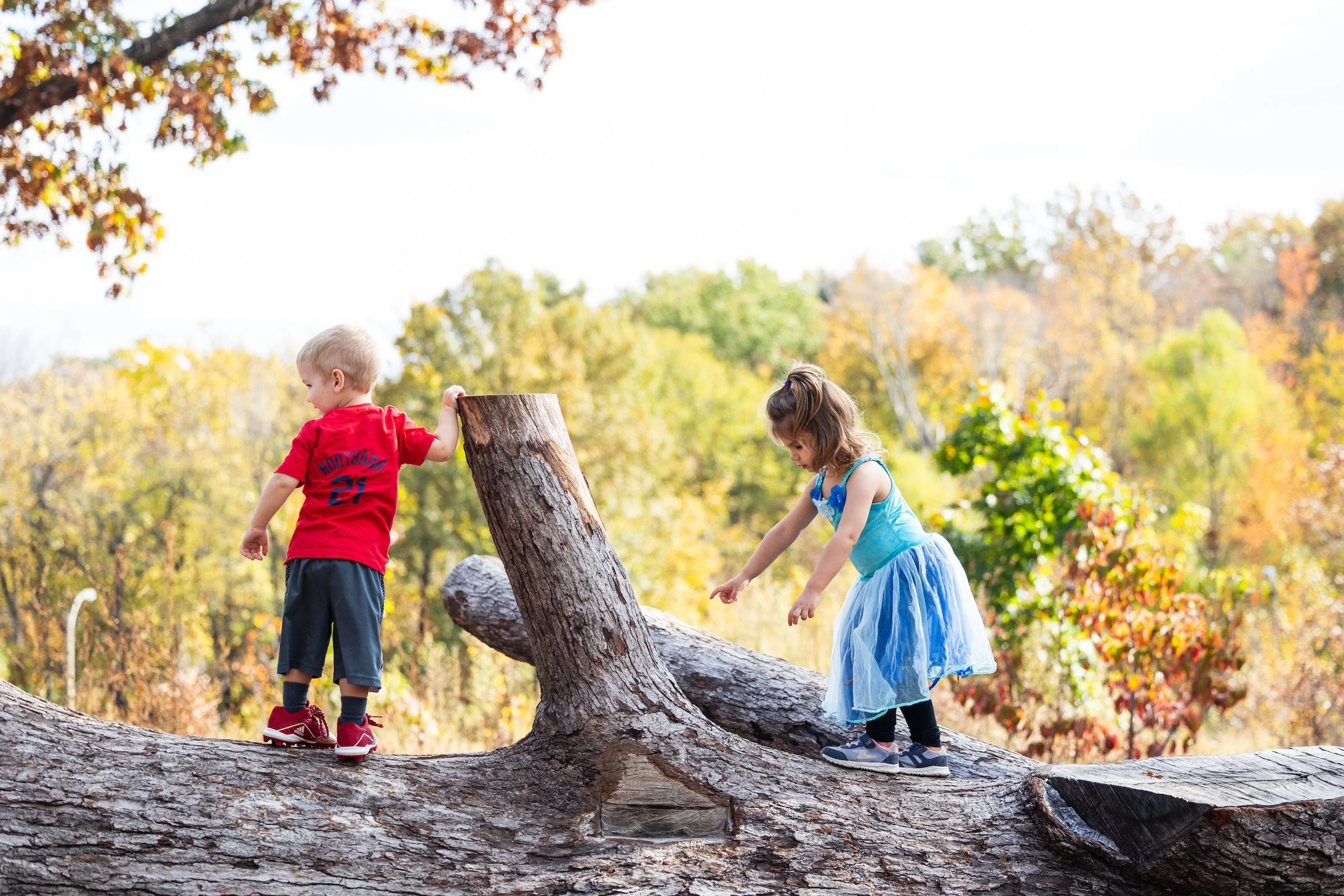
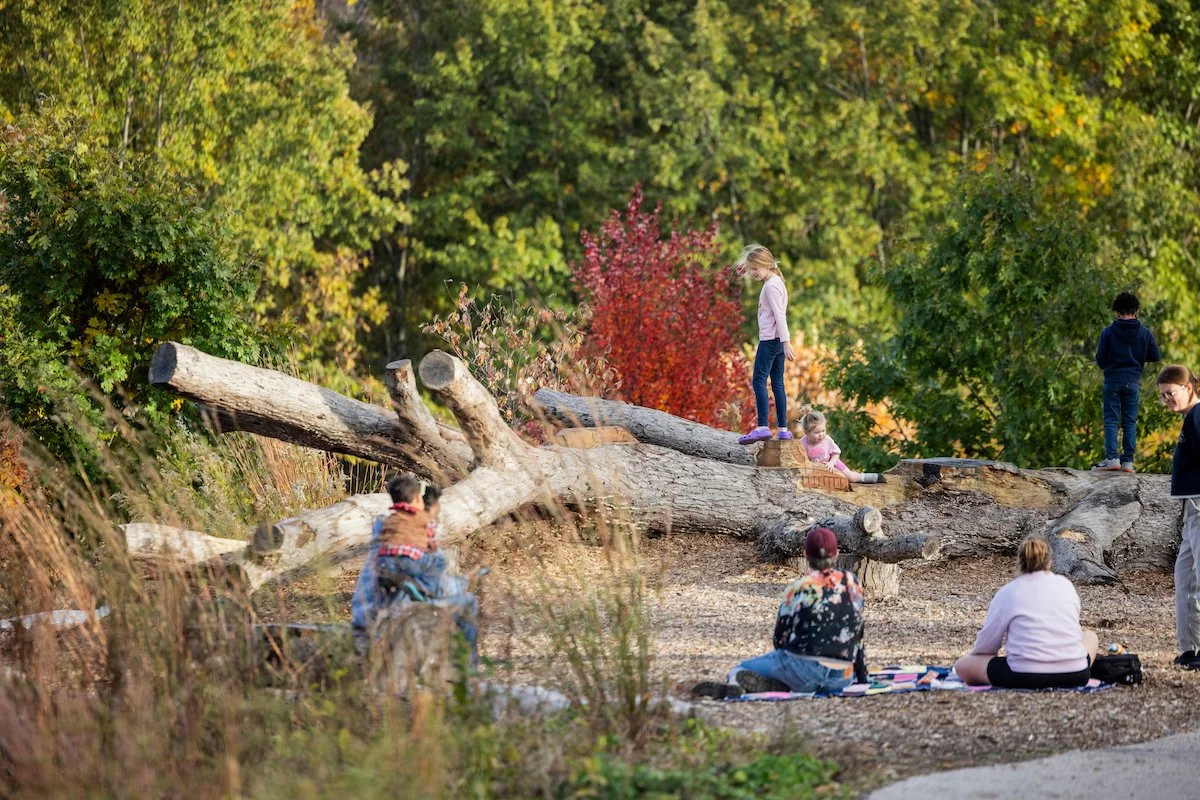
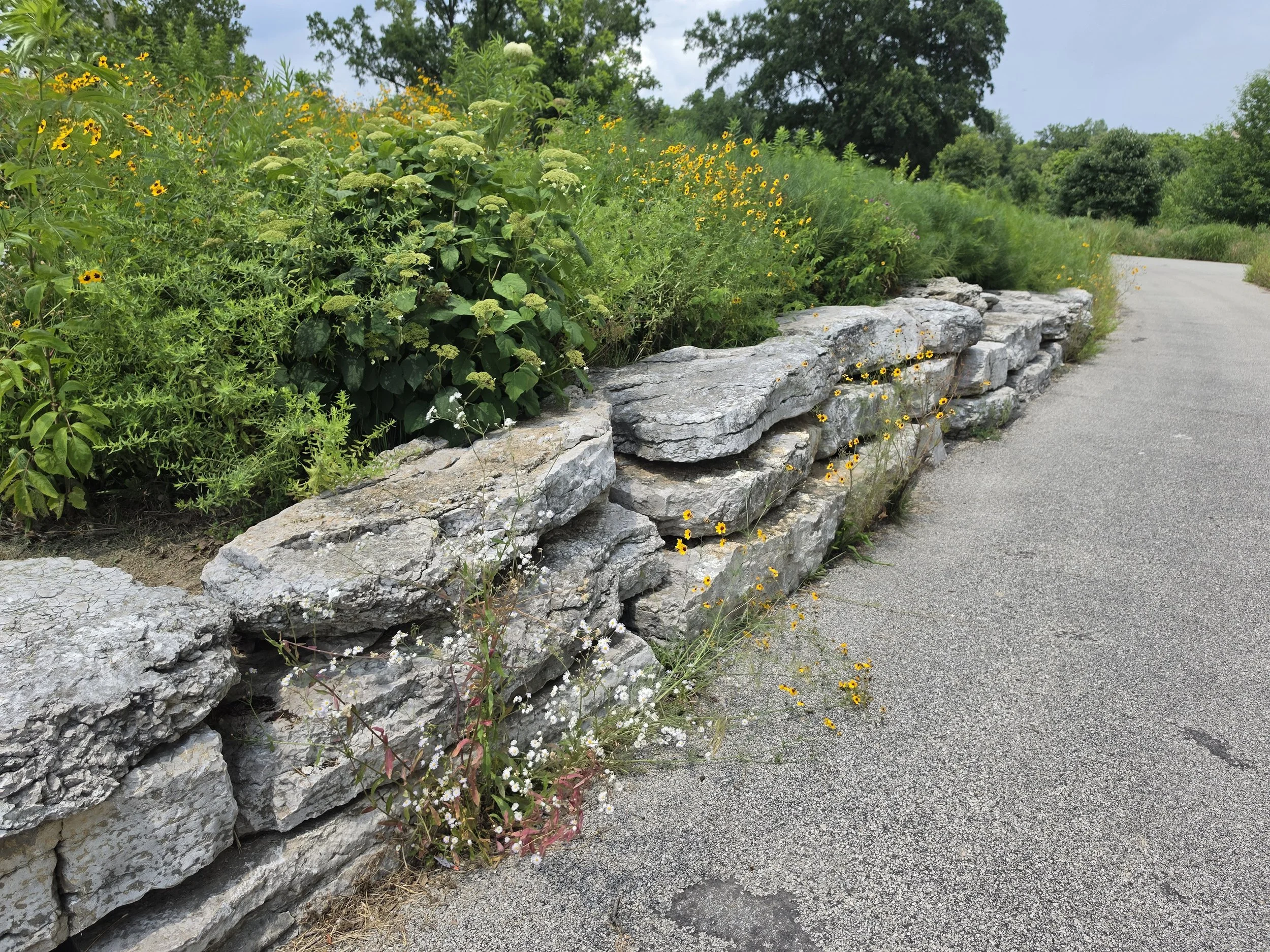
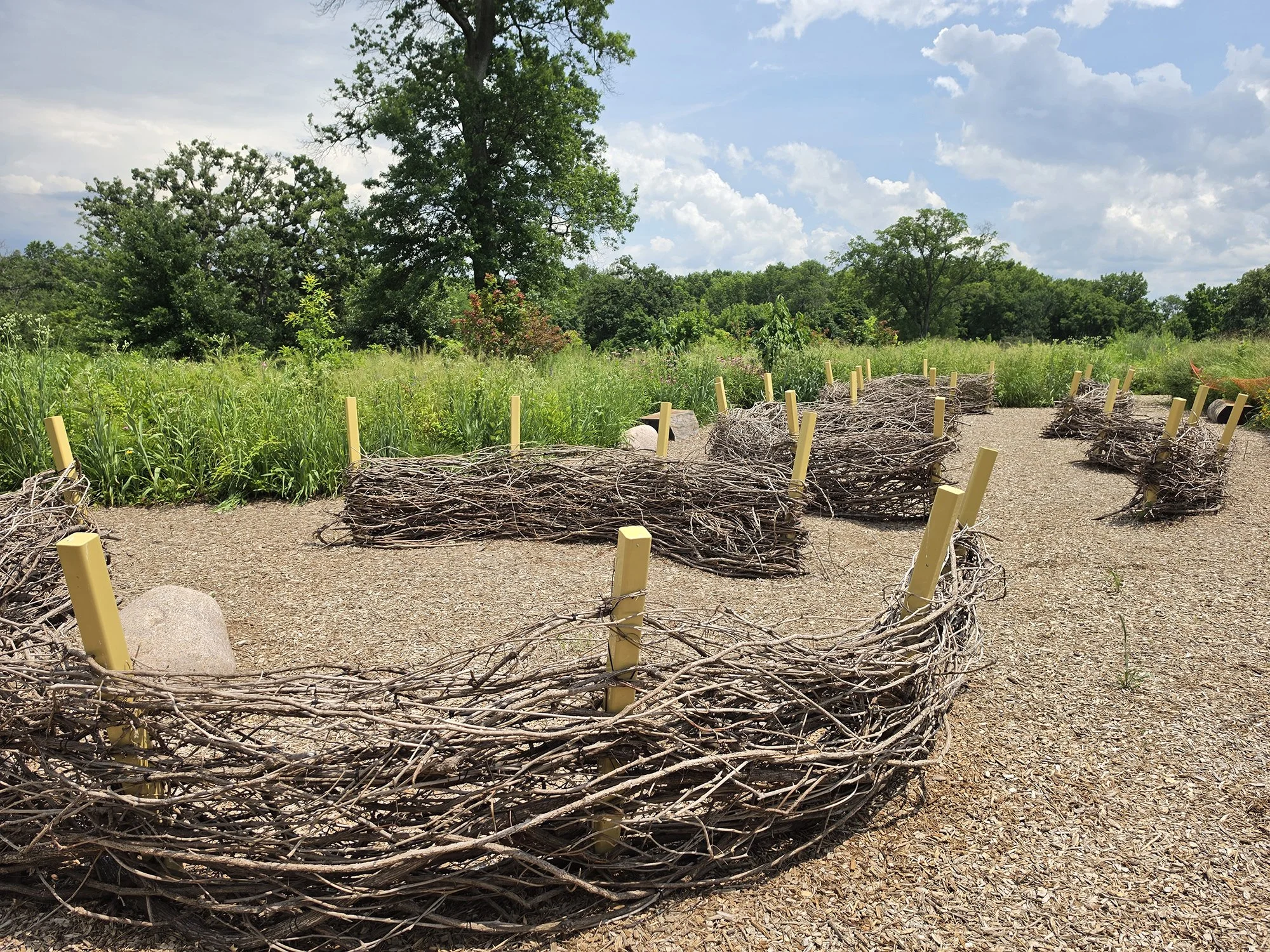
Sandy areas, stump steppers, boulders and rocks, water pumps and new extra-large, hand-woven bird “nests” encourage visitors to interact with the environment, notice how water changes landscapes, feel the different textures of rocks and boulders and experience the freedom of climbing atop salvaged logs and tree stumps to get a new perspective. The Nature Playscape was designed to be a place where visitors feel free to touch, smell and play. And they do!
When the all-new amenity opened, the springs and water bubblers were so popular they created a maintenance puzzle. Using their boundless creativity, children excavated the pools’ base layers of rocks, making the surfaces vulnerable to wear. To avoid safety issues and ongoing upkeep, our team lined the water features with durable pool-style concrete so kids could splash and rearrange to their hearts’ content without damaging the space.
Our ingenious little engineers also modify the streams—almost daily—by building miniature beaver dams, which we deconstruct so the next day’s builders can do it all over again.
More than a mile of winding paths encourages visitors of all ages and abilities to slow down, meander and appreciate the native landscapes as they walk, run, roll or stroll. But the inspiring space also invites some to take unexpected routes between activity areas. Early on, visitors began making beelines from one feature to another, creating “desire lines” (also known as social trails, cow paths or goat paths) through the grass. Instead of blocking these now obvious shortcuts, we added mulched cut-throughs to allow people to move naturally through the space.
What’s Next?
Over the past five years, we’ve made many changes to improve the flow of water—and people—through the Nature Playscape. We’re constantly updating and improving the space as visitors enjoy it, repurposing materials from the Park that otherwise would go to waste.
Felled trees have become stump steppers, benches and climbing structures. Invasive grapevine and honeysuckle have become the giant bird nests near the Sensory Garden. These features will continue to grow as the woven nests settle and we add more harvested vines. Additional plans for the Playscape include planting more trees for shade and creating more seating areas.
The Nature Playscape is one of the many features that makes Forest Park unique among urban parks. This one-of-a-kind experiential area encourages everyone—the young and young-at-heart—to play and interact with nature. The awe-inspiring and fun-filled space provides endless, and sometimes surprising, learning opportunities for visitors and our team. We look forward to many more years of shaping and being shaped by it.
Support the Nature Playscape—and All of Forest Park!
On June 24, we marked the 150th anniversary of Forest Park’s opening, but the gift is here for you and all visitors every day. More than 1,300 acres of paths and trails, natural areas and recreational facilities are here for everyone to enjoy every day. Maintaining and continually improving these amenities is costly and time-consuming, and we rely on our community to help care for this shared treasure. There’s work to do and many ways you can help!
Become a member of Forest Park Forever to provide ongoing support.
Get Park news in your inbox by signing up for our biweekly e-newsletter.
Keep up with our tornado recovery efforts.
Explore other ways to support our work.
Apply to become a volunteer.
Follow us on Facebook, Instagram, X, YouTube and LinkedIn and share your love for Forest Park and #ForestParkForever on social media!