
One Year Later: Celebrating the River’s Return
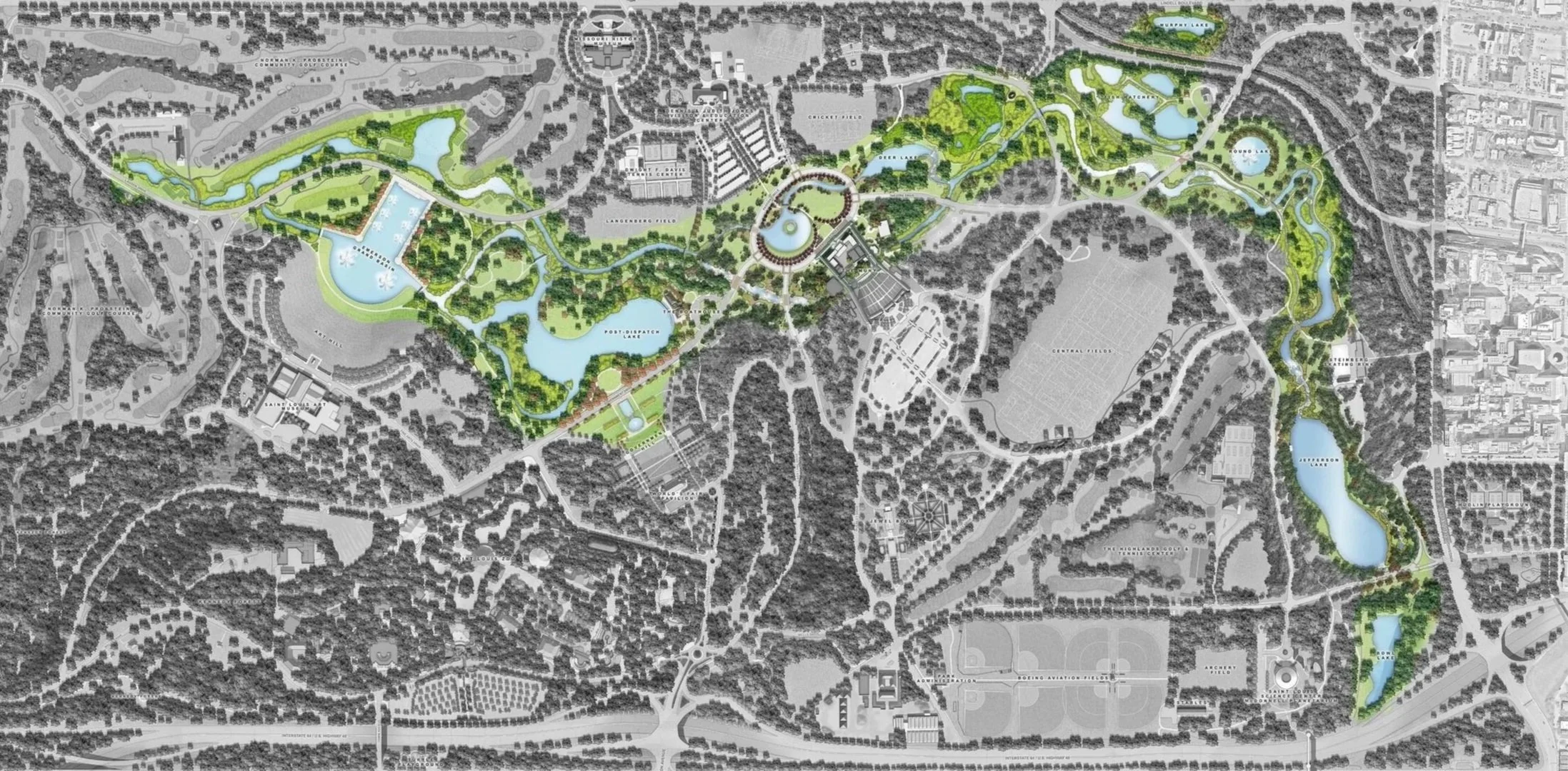
Map of Forest Park’s interconnected river system, which spans 3.35 nautical miles from the Cascades in the west to Bowl Lake in the east
August 6 marks a year since we celebrated the completion of a fully interconnected river system in Forest Park, which now runs from the Cascades in the west to Bowl Lake in the east. The East Waterways project was the final phase of “The River Returns,” a decades-long effort to create this uninterrupted network of aquatic features in the Park.
As laid out in the 1995 Forest Park Master Plan, this waterway is meant to mirror the section of River Des Peres that once flowed freely through the Park—but now runs beneath it. River des Peres was temporarily routed through massive underground wooden channels ahead of the 1904 World’s Fair, then permanently buried in the 1930s to mitigate flooding and increase sanitation.
Beautiful and Beneficial Changes
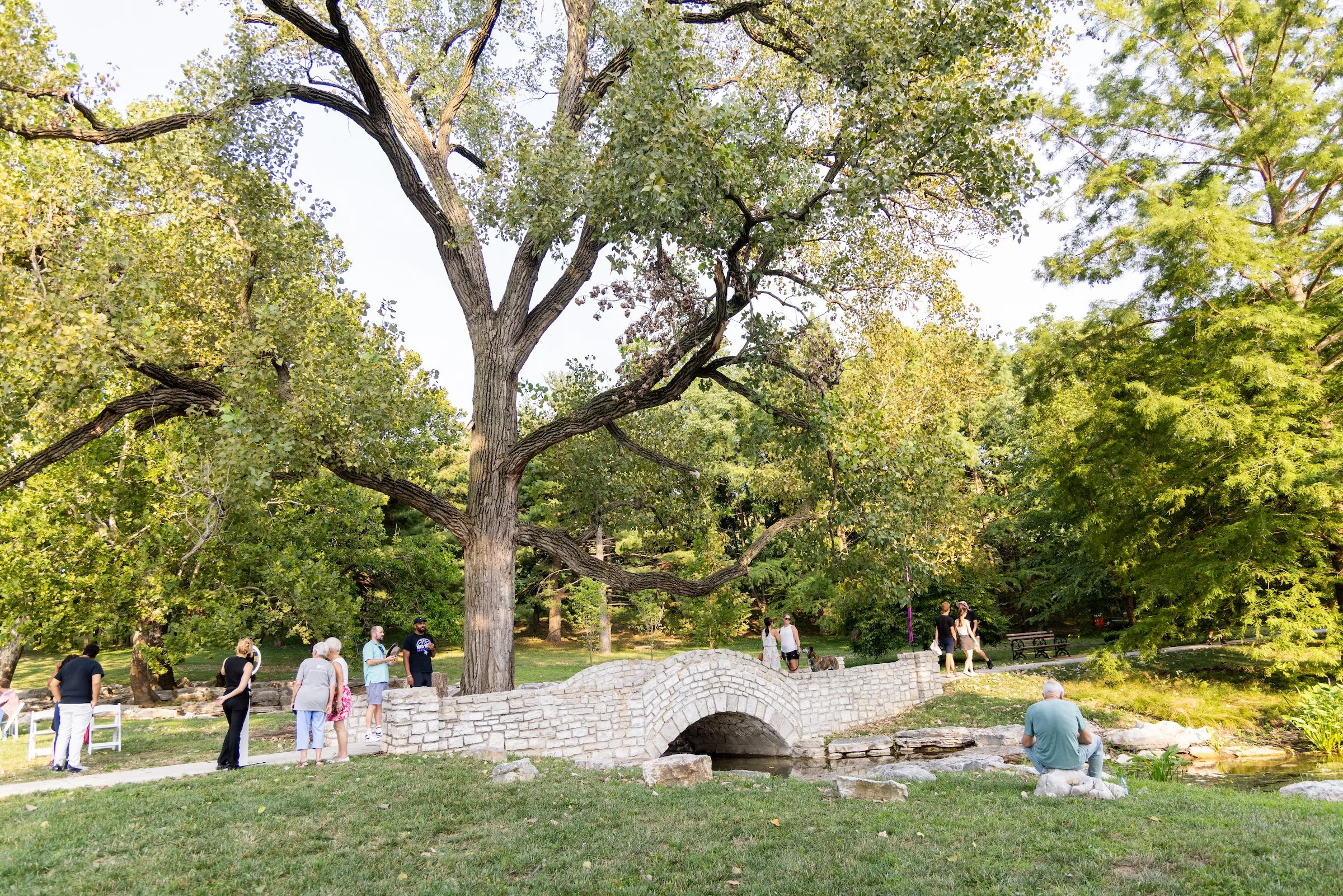
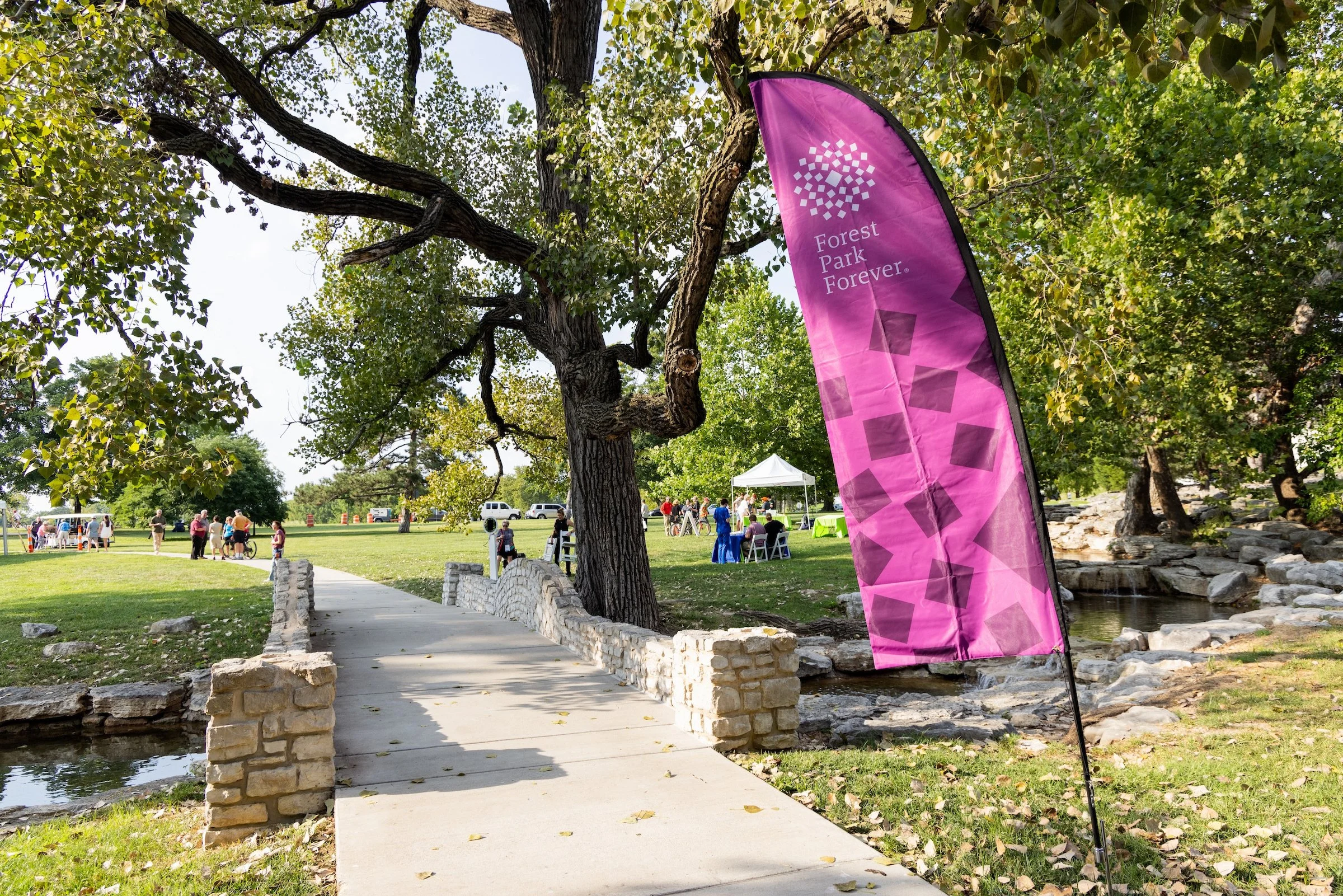
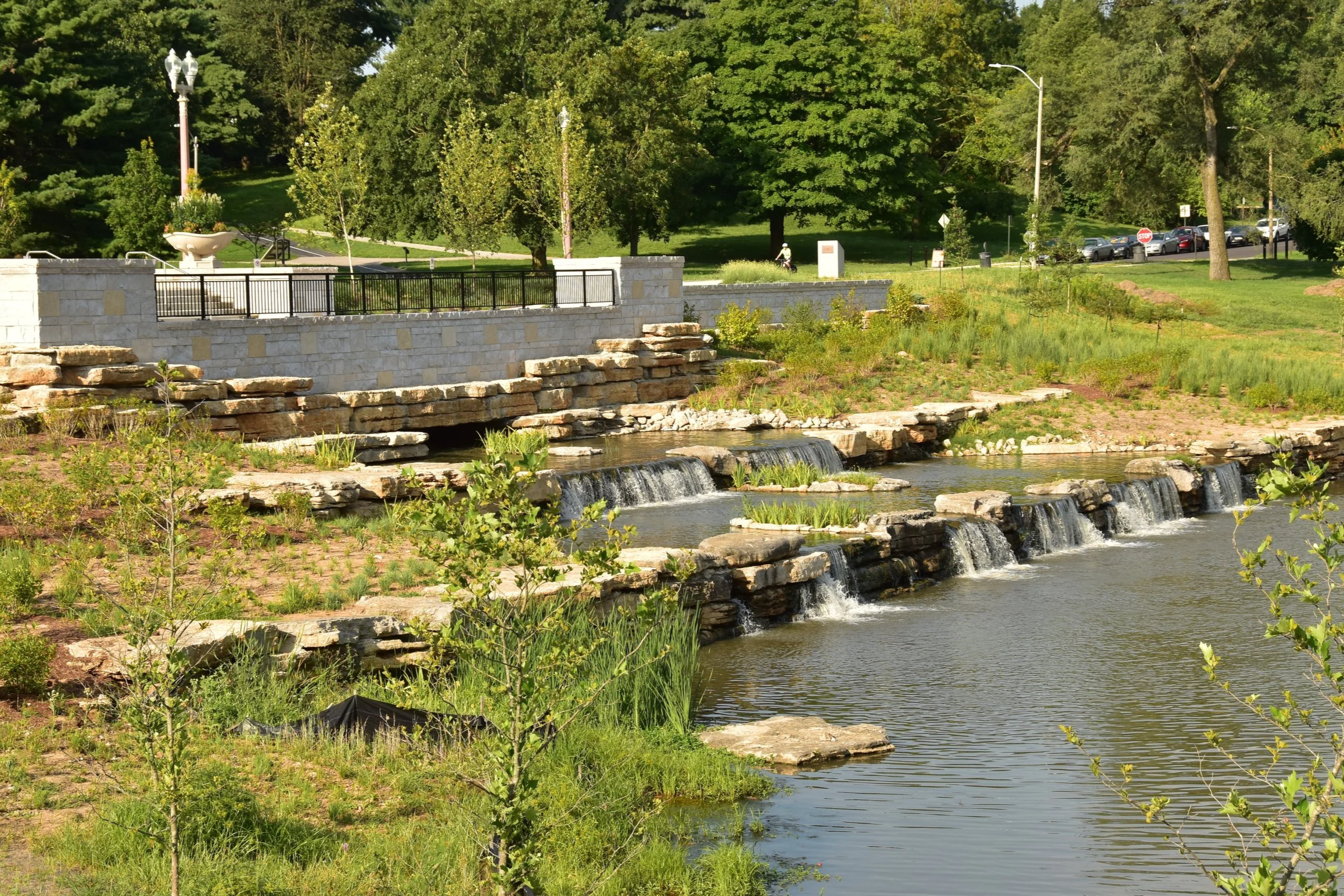
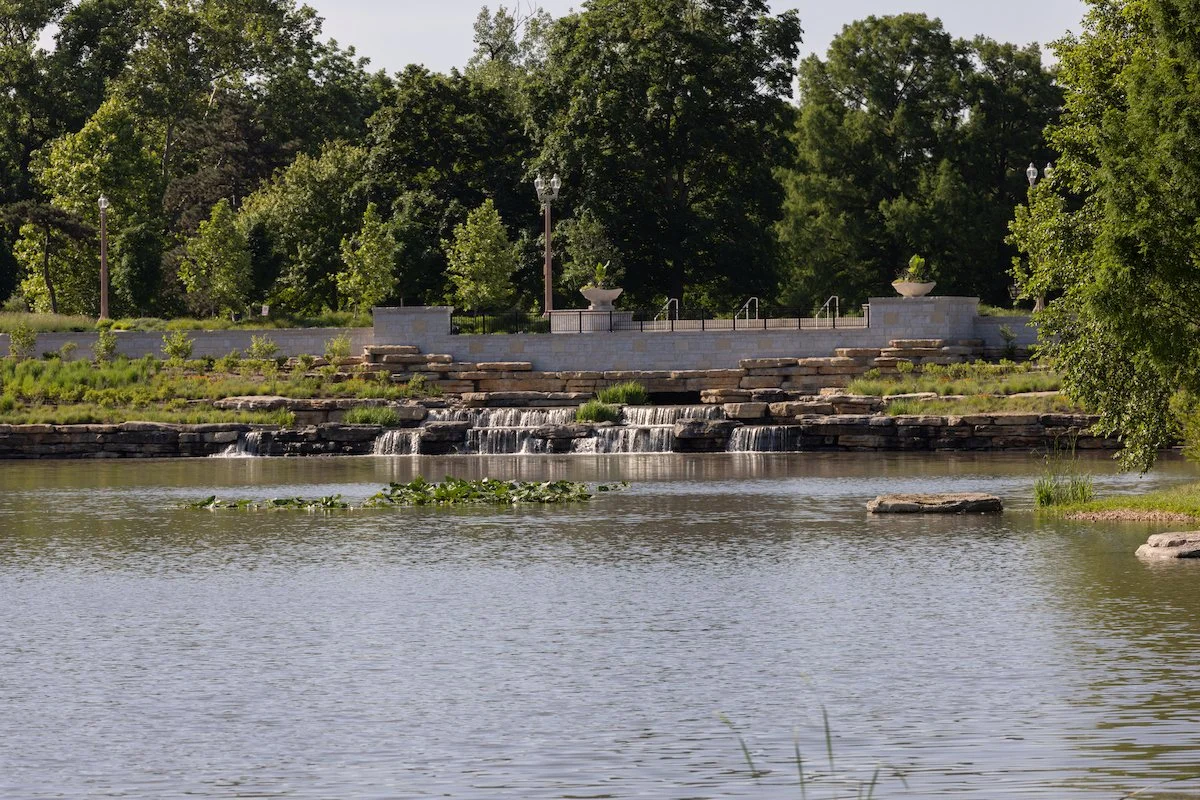
Spanning 3.35 nautical miles, the Park’s modern river system improved water quality by increasing circulation and filtering stormwater runoff, reduced City water use through recirculation and repairs and created new opportunities for visitors to enjoy the Park. The long-term restoration also reestablished native prairie, riparian and aquatic habitats where resident and migrating wildlife are thriving.
If you haven’t yet visited the upgraded east end of Forest Park with its reestablished river system, now is the perfect time to go fishing in Jefferson Lake, have a picnic at Seven Pools, pull up a blanket and enjoy the Bowl Lake’s solitude or simply take in the sights and sounds of birds, pollinators, wildflowers and water. There’s always something new to discover and experience among the area’s many improvements and new features.
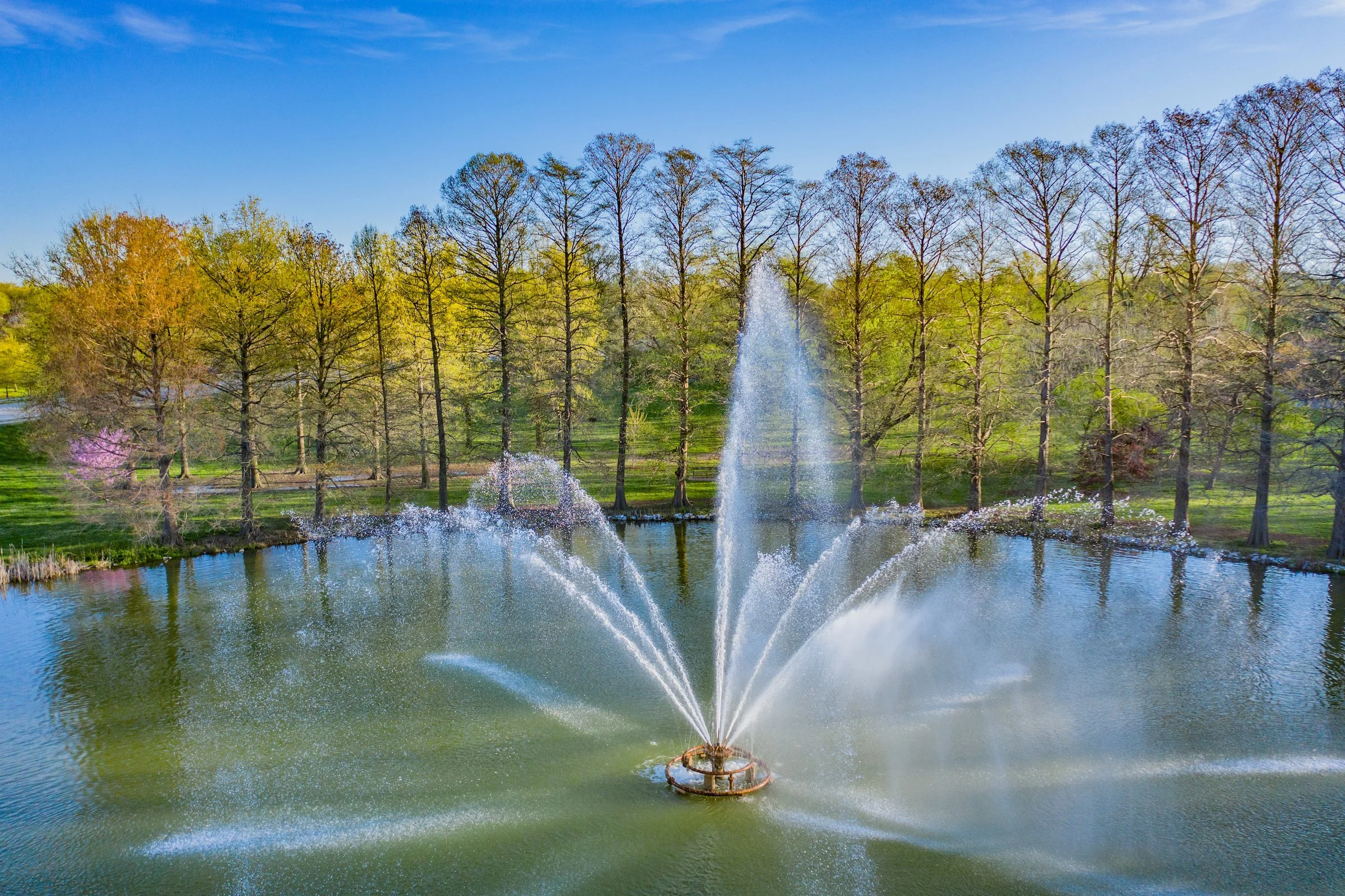
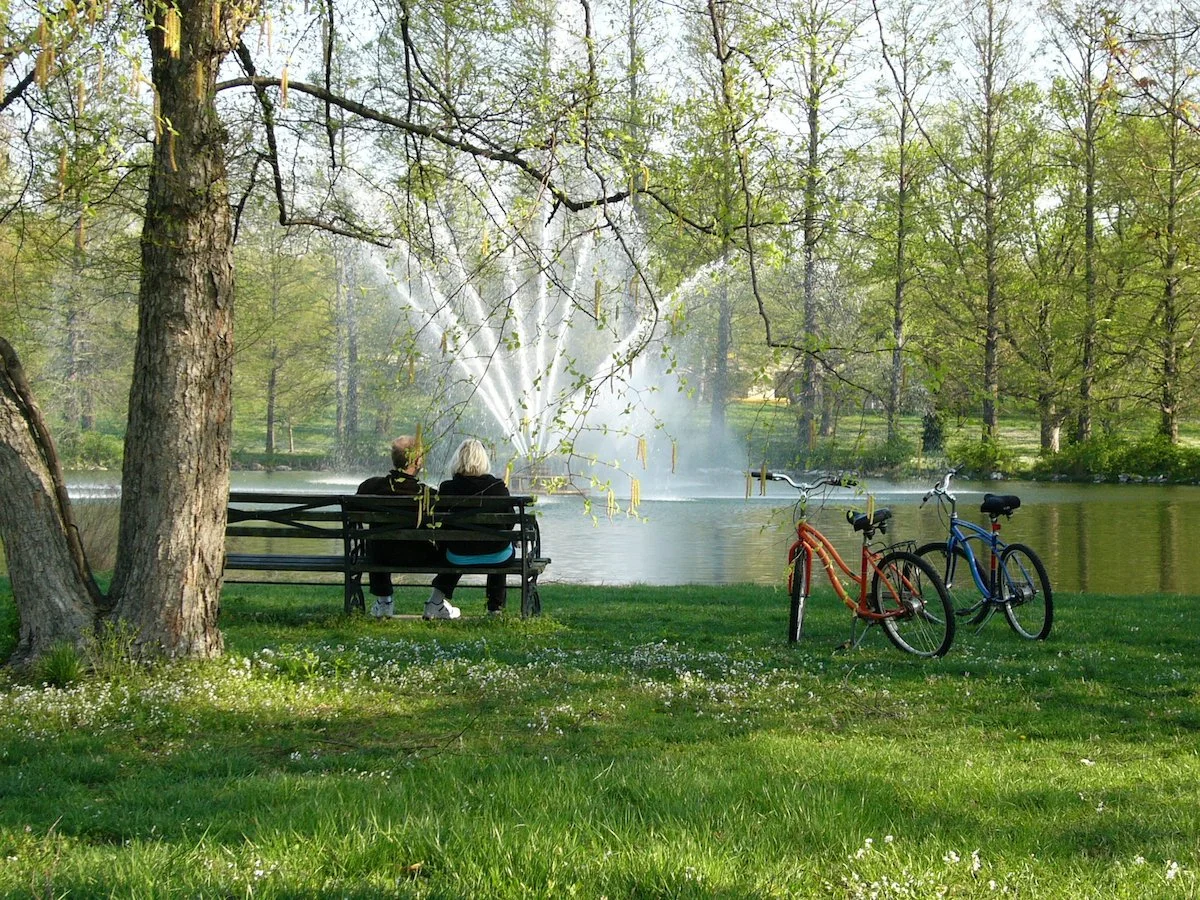
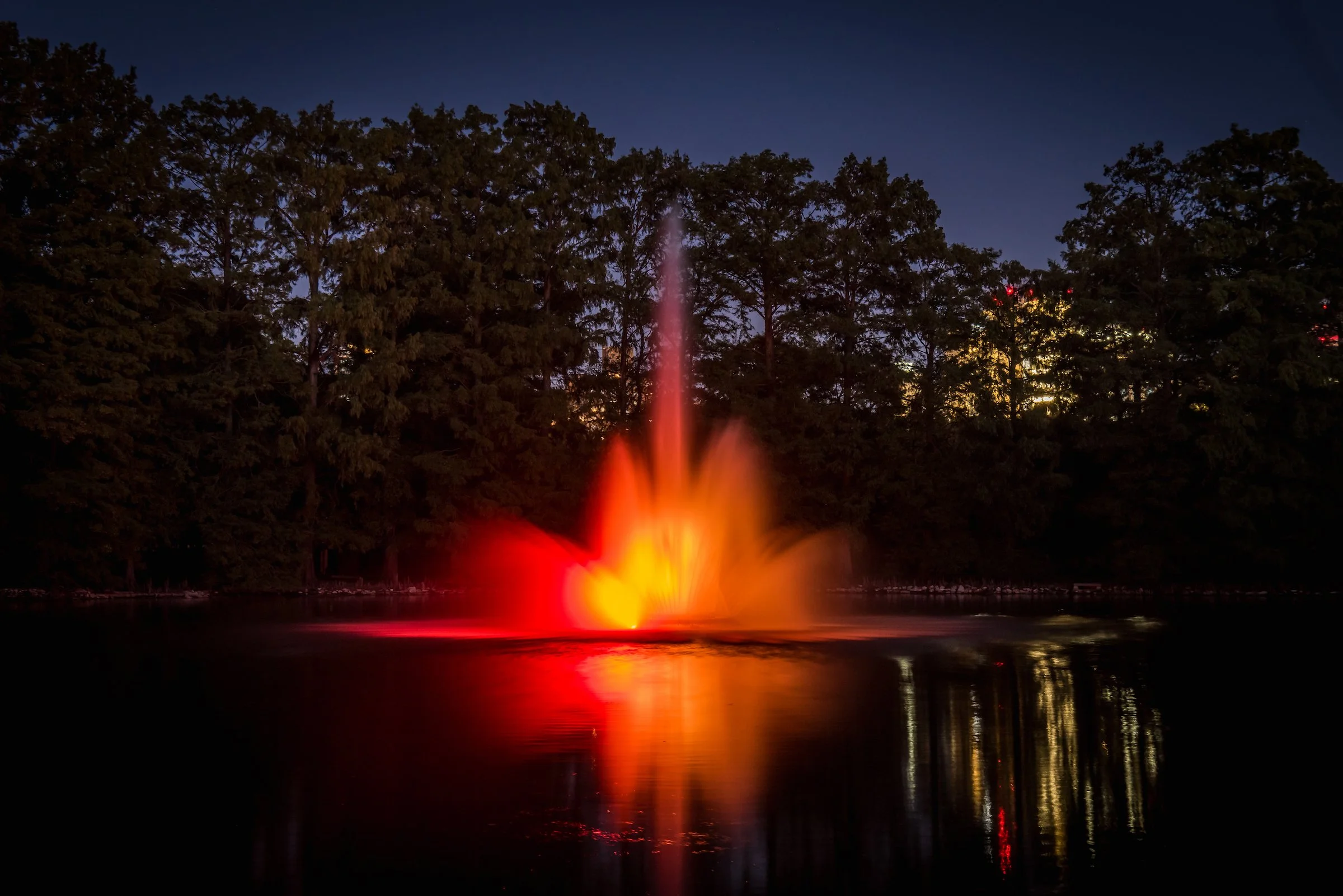
The restored Round Lake’s new lighting enhances its historic fleur-de-lis fountain, which dates to 1916.
The Taylor Kindle River has been extended to Jefferson Lake. Visitors will be able to fully experience this peaceful expansion of the river with its new bridges, picturesque oxbow bend, weir and landscaped grounds once the Glade opens later this year.
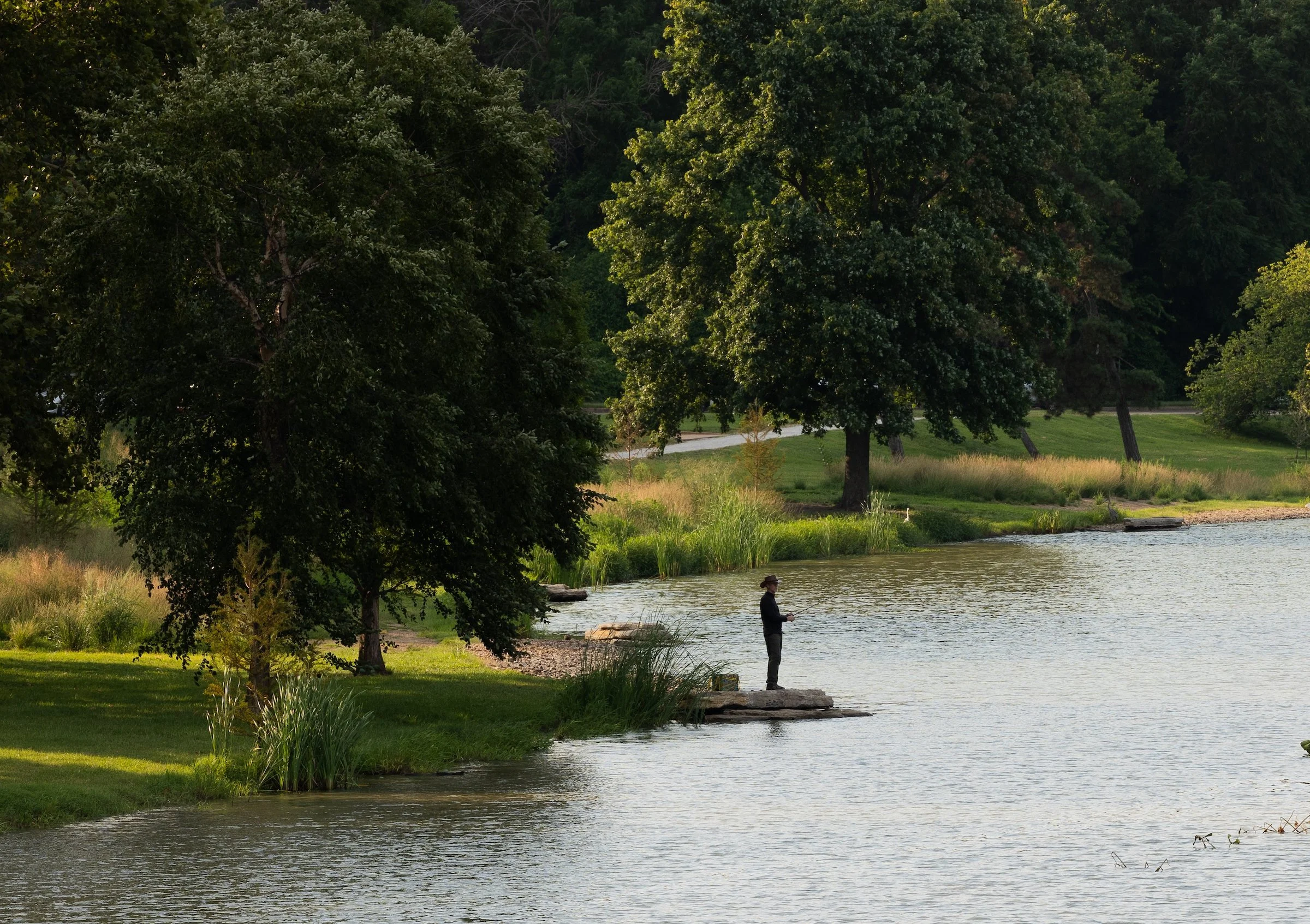
A reshaped and enlarged Jefferson Lake has new fishing perches where visitors can take part in the nation’s oldest urban fishing program, overseen by the Missouri Department of Conservation.
New rain gardens near Jefferson Lake provide visual interest and absorb and filter water during heavy rain, helping reduce the amount of stormwater that runs into the Park’s waterways and the City’s sewer system.
Wise Falls is a beautiful recirculating waterfall and overlook on the southern end of Jefferson Lake at Clayton Avenue.
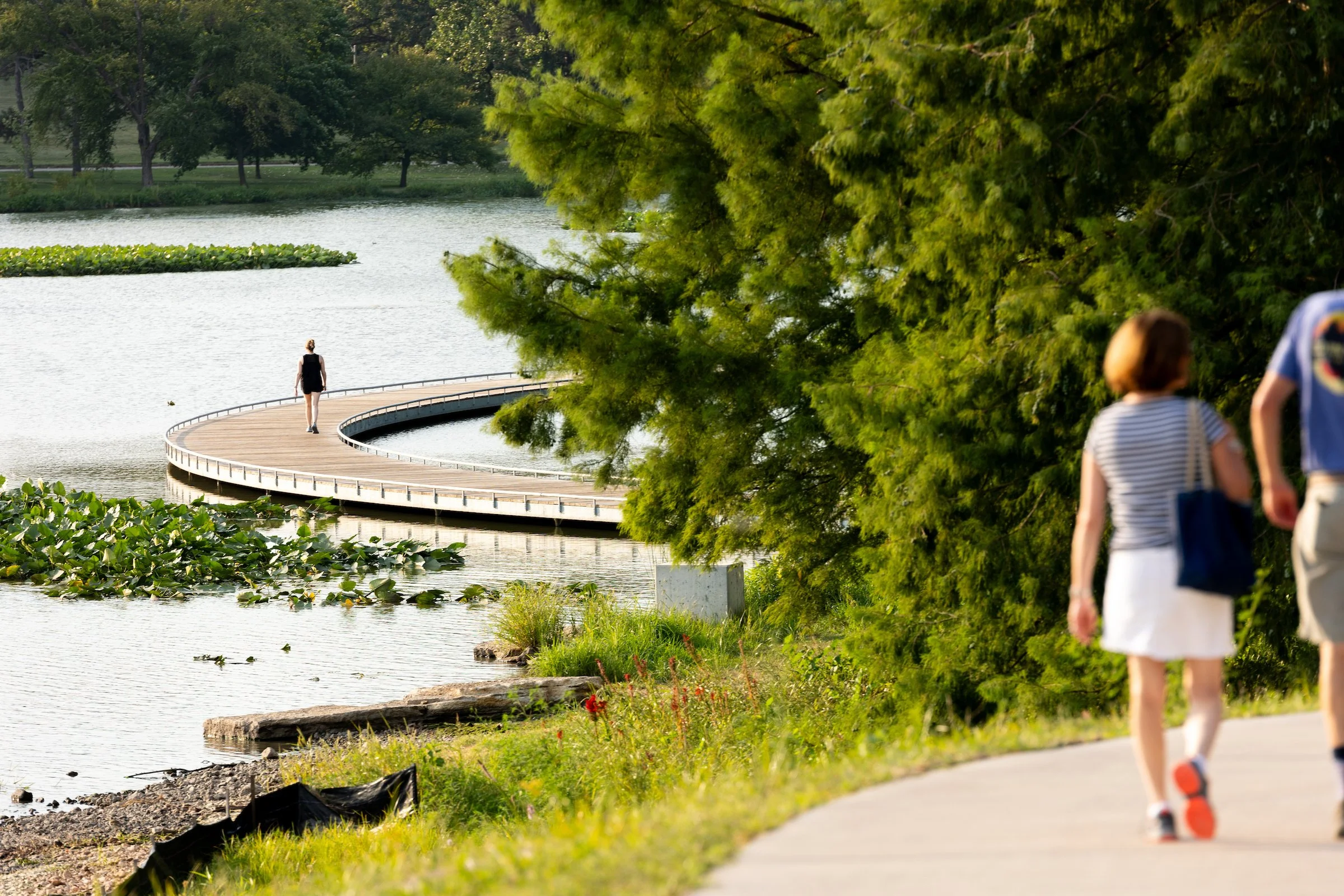
The Bayer Boardwalk is an accessible overwater path that allows for new views of the lake and wildlife.
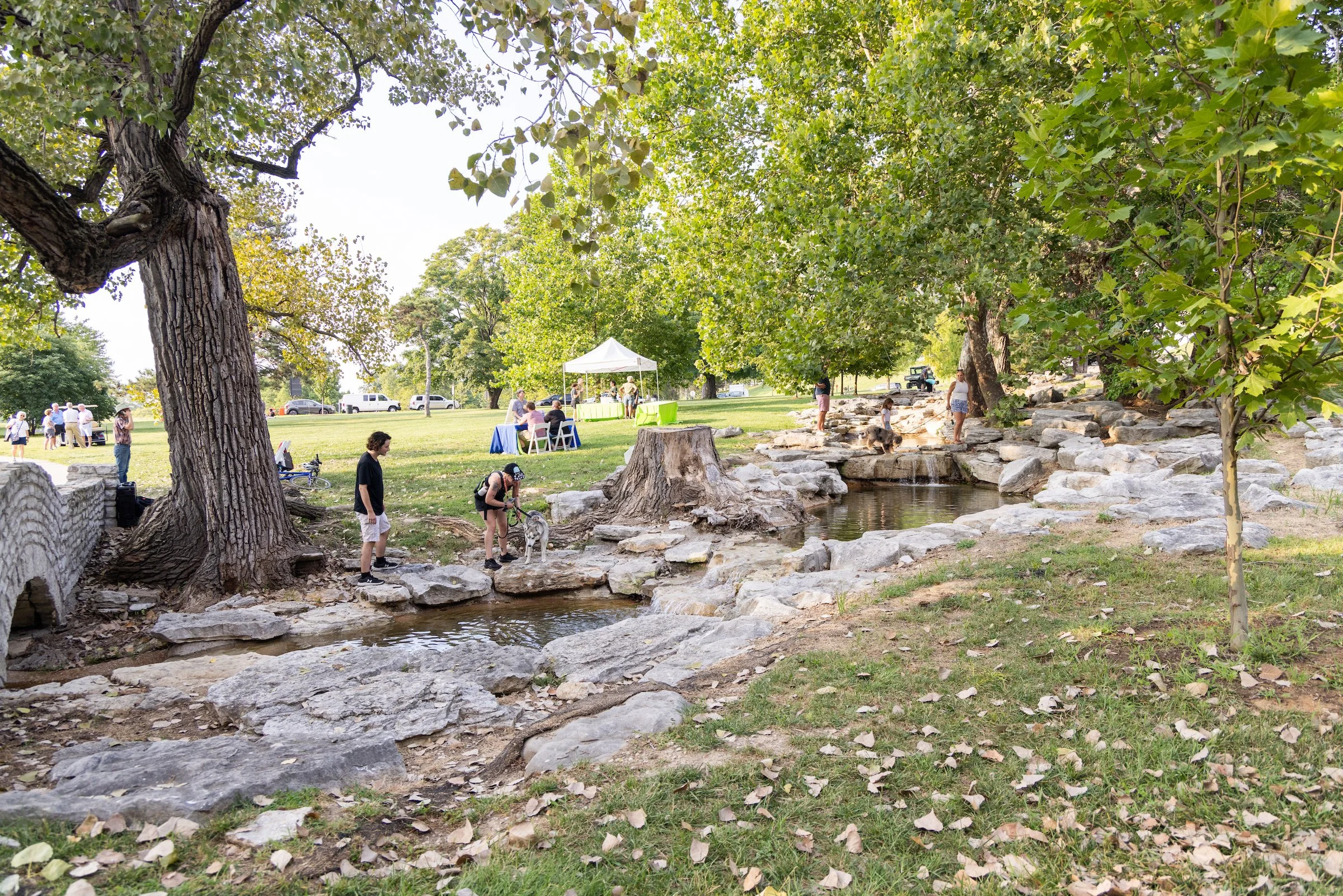
The historic Seven Pools cascades and bridge—which date to the 1930s—have been repaired and reactivated.
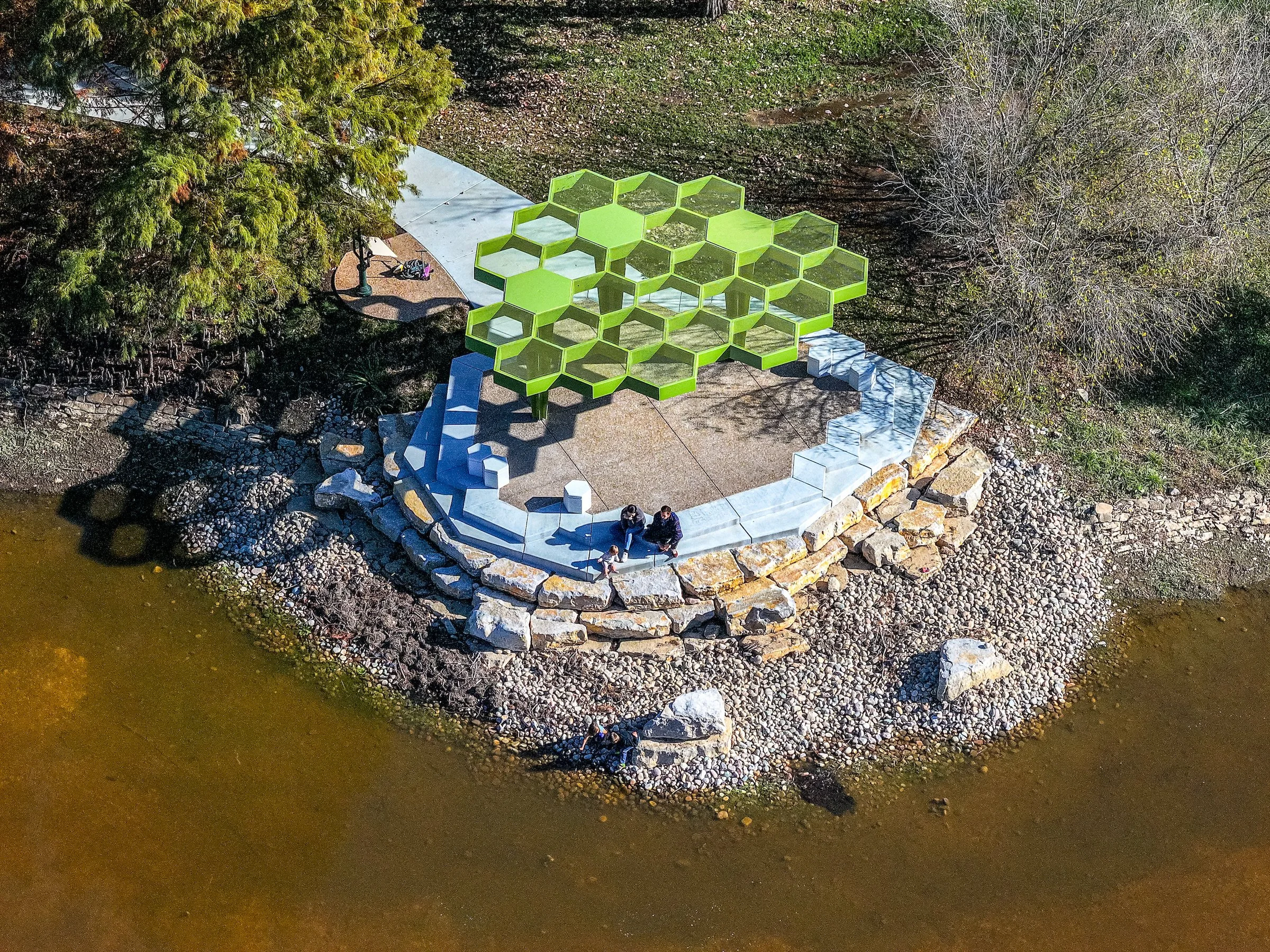
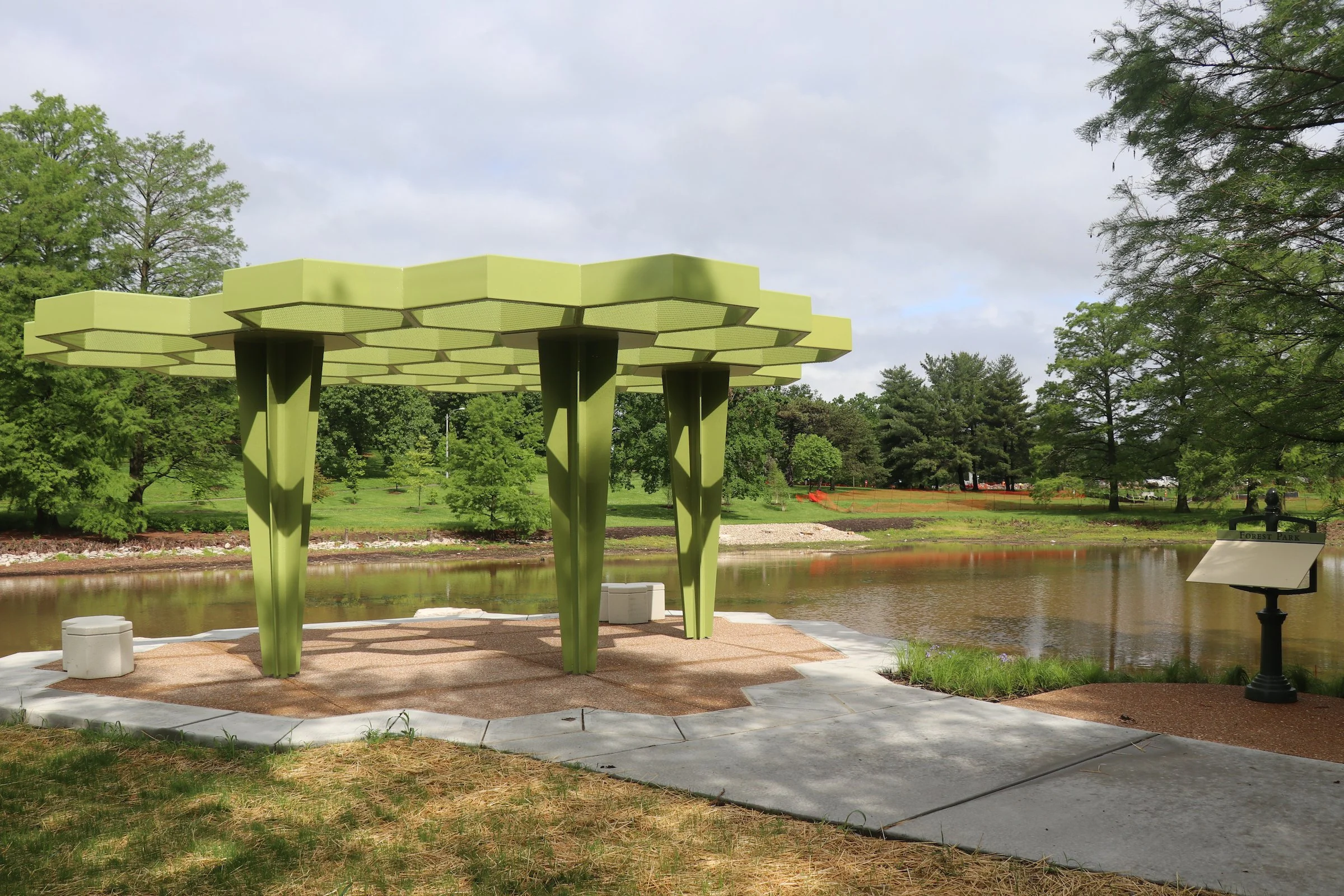
A new waterside path and sculptural pavilion at Bowl Lake allow visitors to easily access and enjoy the solitude of the lake, which is enhanced by a new a new berm that creates more of a buffer from I-64 noise.
1,900 tons of stone sourced from southeast Missouri help create a beautiful, authentic riverscape.
Thousands of plantings have filled in, enhancing green spaces and providing habitat for many species:
558 new trees
Hundreds of native shrubs, including 62 “Grey Owl” junipers (Juniperus virginiana) (commonly known as eastern red cedar), 223 native winterberry holly (Ilex verticillata) and 214 oakleaf hydrangea (Hydrangea quercifolia)
3,100 perennials planted around Wise Falls
17,000 perennials planted along the “oxbow,” the curving waterway extension that now connects the Taylor Kindle River to Jefferson Lake
5,300 perennials planted along the east side of Bowl Lake
What’s Next for the Waterways?
In 2022, our Land Management team began a multi-year process to prepare the soil around Jefferson Lake for conversion from turf grass to a native meadow. The process can take up to five years, depending on invasive plant pressure, soil moisture and climate conditions.
Later this year, visitors will be able to enjoy all features of the 3.35-mile river system when construction in eastern Forest Park is complete and the Glade opens to visitors.
There’s Work To Do and Many Ways You Can Help!
As the nonprofit conservancy that maintains Forest Park in partnership with the City of St. Louis, Forest Park Forever employs experts in land management, ecology, conservation, park operations, community engagement, education and visitor services. We’re now using our expertise to integrate long-term tornado recovery into our annual plans and the master plan for Forest Park. And you can join us.
Become a member of Forest Park Forever to provide ongoing support.
Get Park news in your inbox by signing up for our biweekly e-newsletter.
Keep up with our tornado recovery efforts.
Explore other ways to support our work.
Apply to become a volunteer.
Follow us on Facebook, Instagram, X, YouTube and LinkedIn and share your love for Forest Park and #ForestParkForever on social media!